How to Choose the Right Solar Panels to Meet Your Energy Needs

With the growing global demand for sustainable and eco-friendly energy solutions, solar power has become a leading choice. Solar panels are a symbol of the renewable energy movement, providing not only environmental benefits but also an economical way to meet your energy needs. Whether you're looking to equip your home, business, or industrial property with solar energy, understanding how to choose the right solar panels is crucial for maximizing the potential of this technology.


Solar Panels: Sustainably Harnessing the Power of the Sun

Solar energy is an infinite and environmentally friendly power source. Solar panels capture sunlight and convert it into usable electricity, providing reliable energy for homes, businesses, and industrial projects. For example, a 635 Watt Solar Panel Supplier offers high-output panels that help users make the most of their installation space efficiently.


Solar Panels Explained: Converting Sunlight into Electricity

Solar panels, or photovoltaic (PV) panels, are devices that convert sunlight into electrical energy. They are composed of solar cells made from semiconductor materials, usually silicon, which efficiently capture sunlight and convert it into usable electricity. The size, energy output, efficiency, and material type of solar panels vary, which affects their suitability for different applications. Understanding the composition of solar panels allows you to choose the right type based on your energy needs.


For example, a suburban home looking to reduce energy costs might opt for high-efficiency monocrystalline solar panels, known for their durability and higher efficiency, making them ideal for limited roof space. Meanwhile, large commercial facilities may prefer polycrystalline panels, which balance efficiency with cost.


Solar Panels: Key Factors in Choosing the Best Option

When selecting solar panels to meet your energy needs, several key factors must be considered. First, power output, measured in watts, determines how much energy a panel can produce under standard conditions. Second, the available installation space determines whether you should choose fewer, high-efficiency panels or more, less efficient ones.


Another important factor is the climate and geographical location. Areas with frequent cloud cover might require panels with better low-light performance. Additionally, consider warranties and certifications to ensure that your panels come from trusted sources. Renowned manufacturers often offer long-term warranties and international certifications, ensuring performance and reliability.


For example, in areas with abundant sunlight, a homeowner might prioritize energy output and cost by investing in high-capacity panels. Conversely, businesses in cloudy cities might focus on efficiency in low-light conditions to ensure a continuous power supply.


Choosing Solar Panels: Energy Demand and Return on Investment (ROI)

When choosing solar panels, several guiding principles can ensure the best selection. First, assess your daily energy consumption and peak sunlight hours, then calculate how many panels you need to meet this demand. Consider your existing roof structure or land availability, as it will influence the type and configuration of the panels you choose.


It is also essential to consider the long-term return on investment (ROI). High-efficiency panels may have a higher initial cost but can pay off over time by saving more energy. Working with reputable installers can also be helpful, as they offer valuable insights and often conduct audits to recommend the best installation configurations.


For instance, a university campus planning a large facility might collaborate with experts to analyze energy trends and budget constraints, ensuring the selected panels align with both short-term and long-term energy goals.


Solar Innovations: Shaping the Future of Renewable Energy

As technology advances, the future of solar panels continues to evolve. Emerging trends include the development of bifacial solar panels, which capture sunlight from both sides, increasing efficiency. The integration of smart home technologies is also gaining popularity, allowing users to monitor and optimize solar consumption via mobile apps.


Additionally, flexible solar panels and solar tiles are becoming mainstream, offering consumers more aesthetic choices without sacrificing efficiency. The growing demand for more versatile and visually appealing renewable energy solutions is driving such innovations.


Imagine a homeowner installing a solar tile system that seamlessly integrates with their roof design. Not only does it enhance curb appeal, but it also delivers robust energy output, showcasing how future solar products will meet both functional and aesthetic needs.


Choosing the right solar panels requires a careful consideration of energy needs, installation environment, and technological features. As a leading Full Black N-Type Solar Panel Company, Enecell offers high-quality all-black monocrystalline solar panels with advanced technology and superior durability. Enecell’s panels come with a 25-year power warranty, ensuring long-term reliability and maximum return on investment.


What Are the Advantages of Lithium-Ion Batteries for E-Motorcycles?

The adoption of lithium-ion batteries in e-motorcycles has transformed the way riders experience performance and sustainability. These batteries deliver exceptional power, fast charging, and long-term reliability, making them the top choice for electric motorcycles. Here’s a closer look at why lithium-ion batteries stand out and how they enhance the overall riding experience.


High Performance with 72V Motorcycle Batteries

Lithium-ion batteries are synonymous with high energy density, which translates into exceptional power output. For e-motorcycles, this means better acceleration, higher top speeds, and longer travel distances per charge. 72V motorcycle batteries are particularly popular for their ability to provide consistent, robust performance, ensuring riders can handle both urban commutes and long-distance rides with ease. This voltage level is ideal for modern electric motorcycles, combining efficiency with power.


Convenience with Fast-Charging Capability

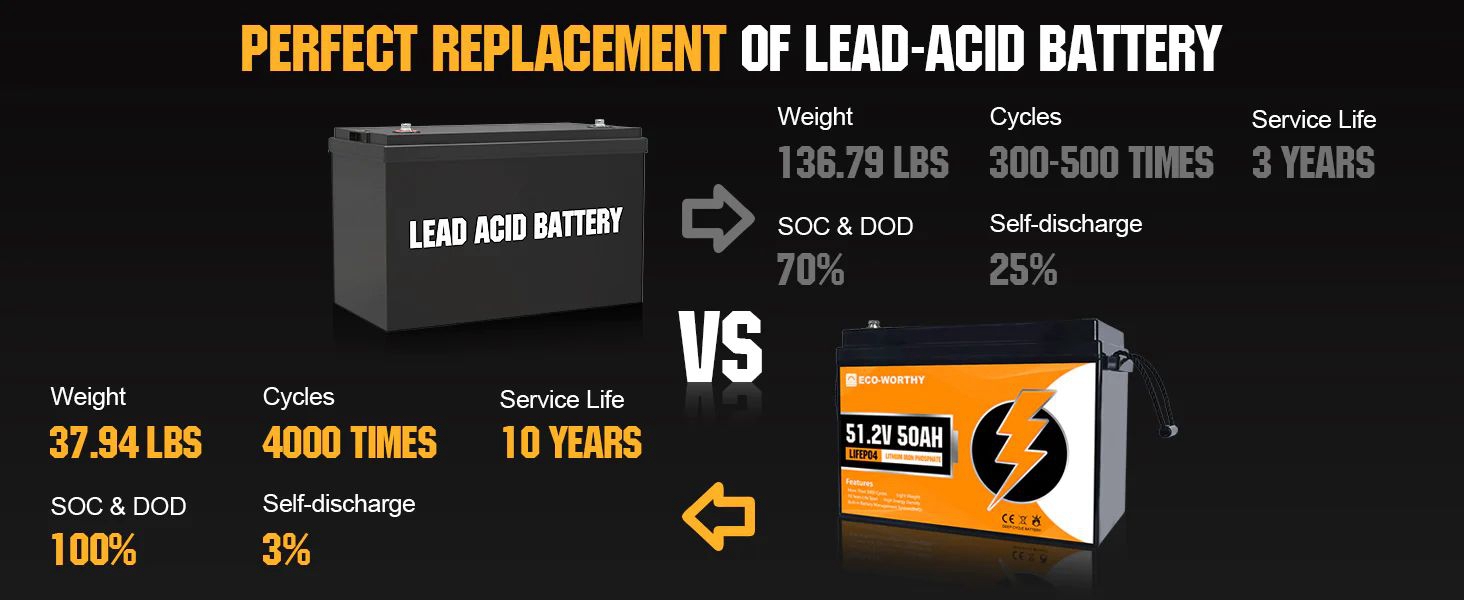
Time is valuable, and the fast-charging capability of lithium-ion batteries addresses this need perfectly. Unlike traditional lead-acid batteries that take hours to charge, modern lithium-ion solutions enable quick turnarounds. Fast-charging Motorcycle Batteries can reach significant charge levels in under an hour, making them perfect for riders who rely on their bikes for daily transportation. This convenience enhances the practicality of electric motorcycles, eliminating concerns about long charging times.


Lightweight Design for Better Handling

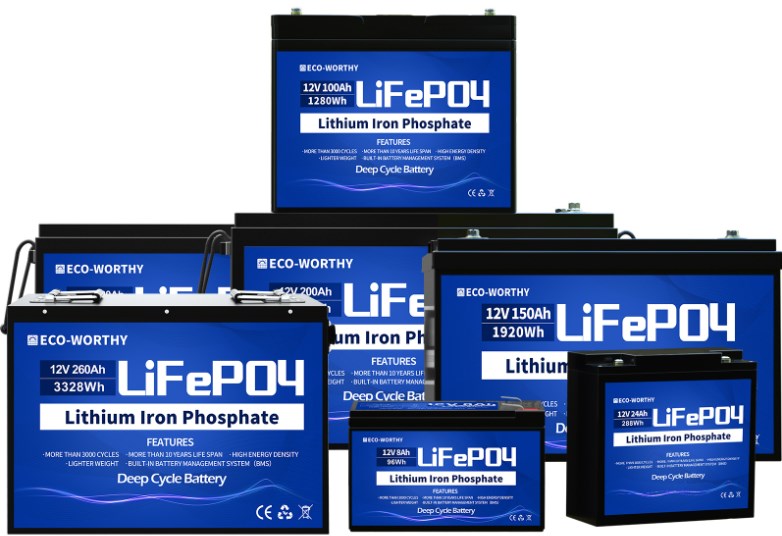
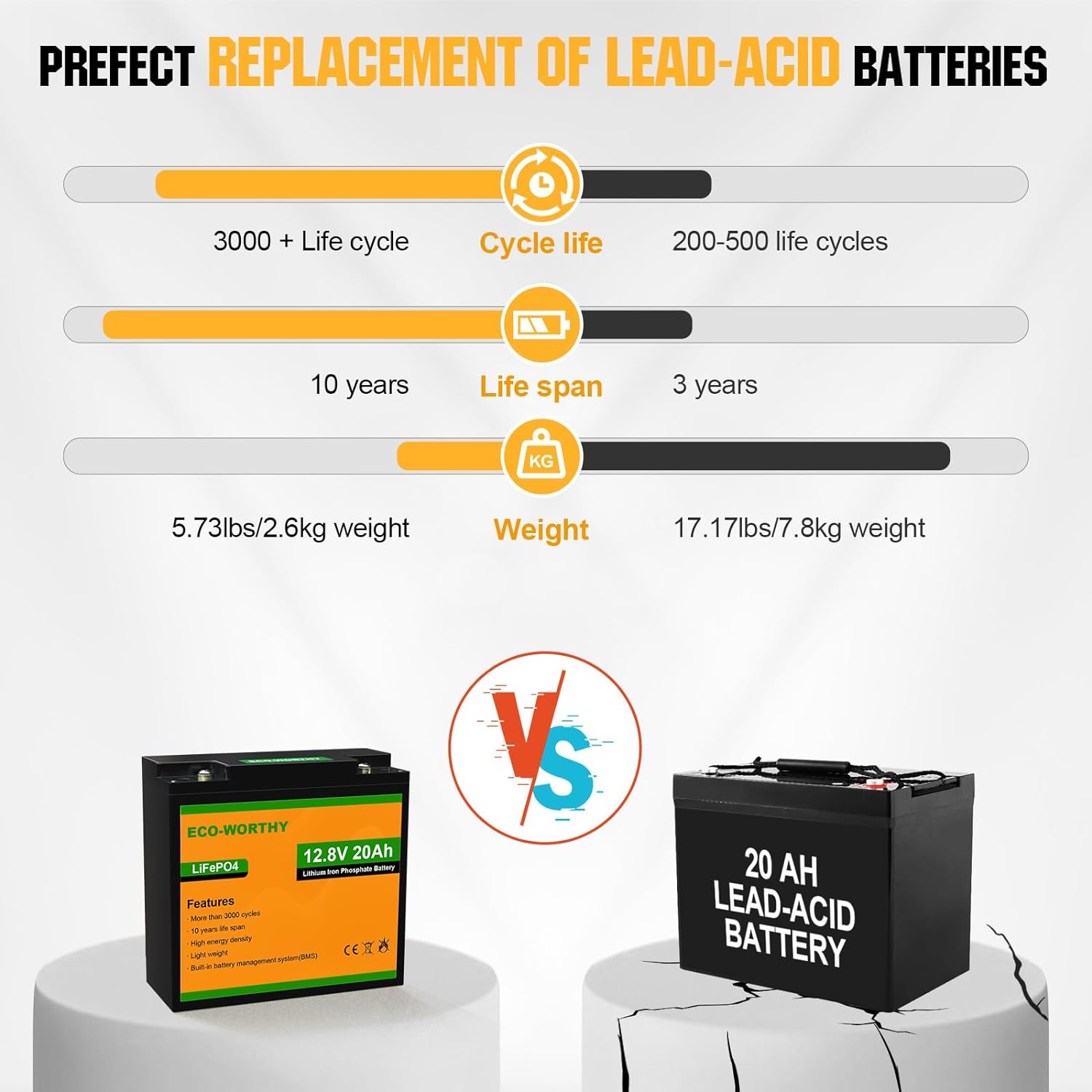
Lithium-ion batteries are not only powerful but also lightweight, which plays a crucial role in the handling and agility of e-motorcycles. The reduced weight improves acceleration and makes the bike easier to maneuver, particularly in urban environments. Among these, the LiFePO4 Battery for E-Motorcycle stands out for its balance of durability, safety, and weight efficiency. This battery type ensures riders enjoy both stability and performance, making it a preferred choice for many.


Long Lifespan and Durability

One of the biggest advantages of lithium-ion batteries is their long lifespan. They can handle hundreds of charging cycles without significant capacity loss, which means less frequent replacements and lower overall costs for owners. Both 72V motorcycle batteries and LiFePO4 Battery for E-Motorcycle are known for their extended durability, ensuring consistent performance for years, even under regular usage. Riders can depend on these batteries for both reliability and value.


A Sustainable and Eco-Friendly Choice

Lithium-ion batteries are a step forward in promoting eco-friendly transportation. They are more energy-efficient and have a lower environmental impact compared to traditional battery types. With their recyclable components and longer service life, they align perfectly with the goals of sustainable mobility. Combined with Fast-charging Motorcycle Batteries, these solutions are not only practical but also contribute to a greener future by reducing reliance on fossil fuels.


Why Choose Superpack E-Mobility Batteries?

When it comes to lithium-ion solutions for e-motorcycles, Superpack E-Mobility Batteries are an excellent choice. Designed for performance and safety, Superpack’s products include 72V motorcycle batteries, Fast-charging Motorcycle Batteries, and LiFePO4 Battery for E-Motorcycle, offering the ideal combination of power, efficiency, and longevity. With advanced engineering and rigorous quality standards, Superpack ensures that riders get the most out of their electric motorcycles, whether they need a fast charge or a battery built for endurance.

HJT or TOPCon? Which technology of N-Type Solar Cell will replace PERC?

Amid constant iteration in high-efficiency solar cell technology, domestic businesses have exceeded 23% in the efficiency of mass production at new PERC production lines in 2021, and managed to develop ceilings at an efficiency of almost 24%, which further solidifies the determination of domestic businesses in establishing additional production lines for the N-type solar cell.

N-type cells that have so far achieved a small-scale mass production (>1GW) include TOPCon, HJT, and IBC. According to the analysis of EnergyTrend, the capacity and market share of N-type cells started to elevate simultaneously since 2021, where the capacity of N-type cells is expected to arrive at 22GW at the end of 2021, while the market share is estimated to surpass 10% in 2023.

First-tier module makers have confirmed the deployment of N-type technology for 2021. In terms of product arrangement, Canadian Solar and Trina Solar are planning to sell HJT modules, while Longi and Hanwha are going to sell TOPCon solar modules. Jinko Solar has already started selling TOPCon module products, whereas Risen Energy plans to release module products that contain the technology of TOPCon and HJT. Pertaining to the establishment of production lines, Risen Energy has commenced the mass production on HJT modules, while CSI will be building a pilot scale production line for HJT, and JA Solar has completed the pilot scale production line for TOPCon before constructing the HJT production line scheduled for the second half of 2021. Jinko Solar has started the mass production for TOPCon modules, whereas the TOPCon cell factory of Longi is expected to go into operation in 2021.

Integrated businesses are focused on TOPCon, while the new capacity for N-type is centralized on HJT projects. The market arrangement for the TOPCon technology is primarily seen from integrated businesses such as Longi, Jinko Solar, and JA Solar right now. Most businesses have preserved space for TOPCon upgrades in their new PERC capacity since 2020. Numerous businesses are engaged in the HJT technology, including professional cell businesses, module makers, equipment integrators, and new businesses. Among them, Risen Energy, Akcome, GS Solar, and Meyer Burger are all planning to establish GW-grade HJT projects.

Stability in Mass Production is Essential as Ceilings Constantly Rise for Efficiency

Judging by the current cell efficiency, Longi has achieved a conversion efficiency of 24.1% within the laboratory, which is almost the theoretical limit of 24.5% for PERC cells. PERC technology has officially entered the post-change cycle with cell businesses gradually shifting to new technology pertaining to the emphasis of R&D, while the industry is accelerating on the approval of pilot and mass production lines for TOPCon, HJT, and IBC, so as to actuate the laboratory efficiency of the N-type cells to over 25%.

Differences in Conversion Rate are starting to expand between N-type cell and PERC. According to the latest progress announced by businesses, N-type HJT, TOPCon, and the existing PERC have respectively arrived at 25%, 24.5%, and 23.5% (Tongwei) in terms of the highest mass production conversion efficiency. In addition, an enormous level of investment from businesses was injected into N-type cells, which prompted the imminent mass production of TOPCon cells, and multiple businesses are making smooth progress in the pilot production lines of HJT, before marching towards GW-grade production.

N-type cells are still climbing in the efficiency of mass production, with stability yet to improve further. However, it is evident that N-type HBC and tandem cell technologies are also in the midst of the R&D phase, with further room for improvement in terms of the conversion efficiency.

Cost Becomes an Essential Factor for the Simultaneous Advancement of TOPCon and HJT

The cost of wafers and slurry for N-type cells is yet to be optimized. Raw materials and production account for a higher ratio in the cost structure for HJT cells, and the former is largely occupied by wafers and silver paste. HJT consists of 50% a-Si cost, and the reduction of a-Si cost has become an important direction in lowering the cost of HJT. The cost per watt for TOPCon cells comprises of wafer, silver paste, and depreciation, which account for 62.5%, 15.8%, and 3.7% of the respective cost, and the decrement of future cost primarily comes from wafer thinning, consumption of silver paste, and cost reduction in equipment.

Most of the early production lines for N-type cells had adopted overseas equipment that are higher in cost, and an increasing number of fully localized production lines will be seen alongside the constant maturity of local equipment. A fully localized production line appeared from the tender of four 1GW production lines by Tongwei in 2020, and the debugging statistics for the four production lines are expected to be announced in 2021. The localization trend in the production lines and equipment for HJT cells is becoming evident. Regarding the cost of localized equipment, Shenzhen SC aims to achieve a conversion efficiency of 25% for HJT in 2021, and lower the investment for a single GW-grade equipment to RMB 350 million, which may help with the preliminary establishment of a new structure for the market of N-type cell equipment.

As pointed out by the analysis of EnergyTrend, the current yield rate of PERC cells is at more than 98%, and the lack of maturity for TOPCon and HJT cells on major technologies has become the primary constraint to the exiting development of N-type cells, while the trend of large-sized cells also further extends the lifespan of the PERC technology that possesses a higher degree of maturity. The mass production of N-type cells will remain focused on G1 and M6 in 2021, and the industrialization of N-type cells in the future would have to resolve issues, including the higher cost, efficiency and stability of mass production, and the challenges imposed by the yield rate, under the revolution of M10, G12, or wafers of larger sizes.


How Bifacial Solar Panels Can Increase Power Generation?

In the race to develop the most efficient type of solar panels, manufacturers have developed bifacial solar panels. This type of panel has solar cells on both sides which allows the technology to capture more sunlight leading to greater solar cell efficiency compared to traditional solar arrays.

How Do Bifacial Solar Panels Work?
Lets first dig deep into how bifacial solar panels function. The top and bottom solar cells on a bifacial solar array function differently. The top solar cells function like a conventional solar panel array. They face the sun, so they capture incident sun rays directly, absorbing only certain wavelengths.

On the other hand, the bottom solar cells absorb light that is reflected off the ground. Since white or light colors reflect better than dark colors, painting a white or silver surface on the roof or driveway under the panels is encouraged. According to a study by Burns & McDonnell, white surfaces reflect more than 80% of this light while grass only reflects 23%.

How Is Bifacial Solar Panels Installed to Increase Efficiency?
To understand the difference, let’s first uncover how a monofacial solar array is set up. A monofacial solar panel system, or a group of one-sided solar panels, are placed in racks parallel to a surface such as a rooftop. Unlike single-sided panels, bifacial solar panels are installed on a tilt because they produce more energy when they are angled off of the roof or ground at varying degrees.

Below are three benefits of the titled installment of the bifacial solar array.

1. More sunlight to absorb
In these types of titled installations, there is a great amount of reflection. Because sunlight bounces off of all objects reflectively at many different angles, bifacial solar panels are able to capture more of it.

2. Productive on cloudy days
Because of the point above, bifacials can be productive on cloudy days while monofacial solar cells are at a greater disadvantage when there isn’t direct sunlight. Also, bifacials are less susceptible to weather damage because they are more durable. According to the Solar Magazine, because they are more durable than conventional solar panel systems, warranties for bifacial solar panels are typically 5+ years longer (that is, 30+ years versus 20–25 years).

3. Two energy peaks a day
A titled installation can also produce two energy peaks throughout the day based on their placement. For example, half of the bifacials in an array can be tilted toward the east to capture sunrise and morning rays. The second half can then be tilted to the west to soak up afternoon intensity and sunset rays.

Another installation that can achieve this is a vertical installation. During each peak, the reflection of sunlight on the other side of the solar panels will also contribute to energy production.

How Much More Efficient is a Bifacial Solar Array?
When we say efficiency, we are referring to how a solar cell takes the amount of solar energy it received and converts it into electrical energy. Although bifacials produce more electricity than monofacial panels, it definitely isn’t double the efficiency although solar panel manufacturers are working to make that happen in the future. Bifacials can increase energy efficiency by 11% compared to a conventional solar panel system, according to our study. And with a solar tracking system that tilts solar cells continuously toward the sun, the bifacial solar cell efficiency can be as high as 27%.

How does Floating Solar Power System work?

Introduction

Floating solar farms gained traction in 2018, particularly in countries with high population density and with competing uses for limited available land. These also operate at high efficiency since installing the solar panels on water helps cool the equipment.

The Republic of Korea was among the first to pilot floating photovoltaic (PV) systems. State-owned Korea Water Resources Corporation (K-water) began testing a 2.4-kilowatt (kW) model in 2009 on the surface of Juam Dam reservoir in Suncheon, South Jeolla Province. In October 2012, it constructed a 500-kW commercial plant at the Hapcheon Dam in South Gyeongsang Province after it developed a 100-kW demonstration plant in Hapcheon Dam the year before. This was the world’s first commercial floating solar PV installation using the surface of a dam reservoir and the country’s first floating solar farm.

The country currently operates three commercial floating solar power facilities that aim to contribute toward increasing the share of renewables to 20% of the energy mix by 2030 from the current level of 7%.

What is a floating solar photovoltaic system?

It is an eco-friendly method of generating electric power that combines marine technology and renewable energy technology. Solar modules are made to float on the surface of water, such as a dam or a reservoir. Electricity is sent through underwater cables to a transmission tower.

Figure 1: Floating PV Generation Concept

Source: K-Water

What are the benefits of a floating PV system?

  • Promotes land-use efficiency. As the floating PV energy systems are set up on water, the land can be used for other purposes. It requires no construction on land or conversion of forest and farmlands for solar power facilities.
  • Provides high-energy yield. The increased energy generation is due to the natural cooling effect of the water, which reduces rises in temperature of the solar modules.
  • Saves water resources. It reduces the evaporation of water in the reservoir since the floating PV system blocks the sunlight.
  • Uses an eco-friendly system. Natural fish farms thrive under the platform.

Four environmental impact analyses by the Korea Environmental Policy and Evaluation Institute (KEI) from 2011 to 2019, showed that the floating PV facilities caused no harm to the environment, developed a ground for fish spawning, increased aquatic plants, and reduced algae. Also, as of 2018, the floating solar farms in the country has reduced the amount of carbon emissions by 52,414 tons.

What are its features?

A floating solar power plant is composed of the solar module, buoyancy body, and anti-rust material, which includes the vertical frame and horizontal frames, inspection footrest, and module mount assembly.

The solar module should be highly resistant to humidity, lead-free, dust-proof, and protected against the effects of temporary jets of water, and it should have passed the drinking water test. Floating PV Mounting System is applied to solar pv power plant installation on the water. Adopting HDPE material, it should pass the Hunt Water Absorption Test, Anti-Aging Test, Anti-UV Test etc. Moreover, it can bear the pulling force that is much higher than other products. Adopting new module design in floater and main floater, it can realize the array of double row in the same facing or in symmetrical facing, which can increase the efficiency of solar power generation and installation capacity, be easily installed, and save the cost. and its lifetime has more than 25 years.

Figure 2: Floating PV Plant Components

SunEvo Solar Floating System

Advantages of Half-Cut Cell Solar PV Panels

How do half-cut solar cells work?

Half-cut solar cell technology increases the energy output of solar panels by reducing the size of the cells, so more can fit on the panel. The panel is then split in half so the top operates independently of the bottom, which means more energy is created – even if one half is shaded.

That’s the general overview – below, we break the process down.

Traditional monocrystalline solar panels usually have 60 to 72 solar cells, so when those cells are cut in half, the number of cells increases. Half-cut panels have 120 to 144 cells and are usually made with PERC technology, which offers higher module efficiency.

The cells are cut in half, very delicately, with a laser. By cutting these cells in half, the current within the cells is also halved, which essentially means that resistive losses from traveling energy via current are reduced, which, in turn, equals better performance.

Since the solar cells are cut in half, and are thereby reduced in size, they have more cells on the panel than traditional panels do. The panel itself is then split in half so that the top and bottom portions operate as two separate panels – generating energy even if one half is shaded.

The key to half-cut cell design is a different method of “series wiring” for the panel, or the way the solar cells are wired together and pass electricity through a bypass diode within a panel. The bypass diode, indicated by the red line in the images below, carries the electricity that the cells generate to the junction box.

In a traditional panel, when one cell is shaded or faulty and does not process energy, the entire row that is within the series wiring will stop producing power.

For example, let’s take a look at the traditional 3-string series wiring method:

With the traditional full cell string series wiring, shown above, if a solar cell in Row 1 does not have ample sunlight, every cell within that series will not produce energy. This knocks out a third of the panel.

A half-cut, 6-string solar panel works a bit differently:

If a solar cell in Row 1 is shaded, the cells within that row (and that row only) will stop producing power. Row 4 will continue to produce power, generating more energy than a traditional series wiring because only one-sixth of the panel has stopped producing power, instead of one-third.

You can also see that the panel itself is split in half, so there are 6 total cell groups instead of 3. The bypass diode connects in the middle of the panel, instead of on one side like the traditional wiring above.

What are the advantages of half-cut cells?

The advantages of half-cut cell panels are numerous.

They improve the power output and performance of solar modules because they offer a higher shade tolerance due to their unique wiring system. This means that if your home has some trees that cast shade onto your roof at certain times during the day, your entire solar panel will not be unusable, like it would with a traditional solar panel.

Another benefit is the fact that they usually offer a higher wattage than traditional panels, meaning they produce more power per square foot.

Additionally, the effects of hot spots are less severe on your solar panels with half-cut cells. Hot spots are the shifting of excess heat on a panel, say from a very hot part to the shaded, cooler section. With a half-cut cell, hot spots will not be as damaging because there are more cells to spread the excess heat to.

Half-cut cells also reduce power loss suffered by traditional panels by reducing internal resistance. Internal series resistance occurs just by the nature of energy traveling through the panel via electric current. But because solar cells are cut in half, there is less current generated from each cell, meaning less resistive losses.

New Record! HJT Solar Cell Efficiency reach 25.23%!


The 166mm monocrystalline HJT solar cell developed by SunEvo has achieved a record-breaking conversion efficiency of 25.23% from the recent testing of the authoritative testing institution ISFH, which means SunEvo’s sturdy improvement in HJT solar cell technology, and indicates the company’s unswerving determination and strength in achieving the particular efficiency.

It is understood that SunEvo had achieved a conversion efficiency of 25.06% for the mass production line of 166 HJT solar PV cell on June 8th, before achieving a new world record of 25.23% by adopting the microcrystalline production process when working with leading HJT equipment supplier Maxwell. According to Doctor Wang, the CTO of SunEvo, the record is a new height achieved on microcrystalline craftsmanship that is possible for mass production, as well as a reliable guarantee in attaining a mass production efficiency of 25.5%.

Senior insiders of the industry commented that the regular-sized 166mm Champion cell announced by SunEvo still uses the sputtering TCO film for the PVD mass production process, which offers feasibility in extensive mass production, while the difficulty and gold content are self-evident. The company has been aggressively exploring methods in elevating efficiency and reducing cost, and achieved constant improvement in mere months, as well as multiple critical breakthroughs in N type high-efficiency mono-Si HJT solar cell technology.

Doctor Wang commented that HJT solar cells can be further improved in efficiency by replacing the current doped amorphous silicon with doped microcrystalline silicon or doped microcrystalline silicon oxide (carbide), where both the doping concentration and light transmittance would elevate, and the electrical resistance of the doped layer would reduce, before the current density of the HJT cell is magnified at the end. Doctor Wang said that the company anticipates a constantly improving record of efficiency, and these high-efficiency technologies will be applied on the production lines to achieve extensive production under low cost and applications for GW-grade 25%+ HJT cells.

HJT still possesses a relatively large sum of impedances and difficulties in progression after 30 years of development since 1990; thus, a reinforcement in the guidance and innovation of leading companies are exceedingly important in the expedition of commercial applications of HJT, as well as the actuation of technical upgrades in the relevant equipment and materials of the supply chain. On the occasion of HJT’s 30th anniversary, the Shanghai Solar Energy Society and the TestPV Forum will once again convene the “6th International Forum for the Leading Mass Production and Supply Chain Coordination of HJT”, which centralizes global businesses and experts from the research, manufacturing, application, and investment fields of solar cells, as well as comprehensively probes into the technology and popular market topics of each segment of the HJT industry chain, and penetrates into the future development orientation of HJT cells.


Trends of Solar PV Cells and modules – 166mm, 182mm or 210mm?


For more than ten years, the classic solar module with a cell size of 156 mm (M0 wafer), later 156.75 mm (M2 wafer), was considered as the standard solar PV module and was very popular.

The times when solar module dimensions have remained on the market over a longer period of time and could be established as a standard are now over. This became particularly noticeable at the beginning of 2020 when solar module producers from China started the trend towards ever larger solar module formats. Increasing wafer sizes are responsible for this.

Solar Cell Size SunEvo


Wafer sizes get bigger and bigger


As recently as 2018, 156.75 mm wafers accounted for about 80% of the market. In 2020, the upheaval came to 158.75 mm wafer sizes. The module outputs here range between 325 and 345 watts, and the dimensions are about 10 to 30 millimeters larger than a classic 60-cells PV module, depending on the design – so they are still very easy to move and process. However, the 158.75 mm solar cell, which was introduced only a few years ago, is already only available to a very limited extent.

Global Market Shares of Wafers by Size SunEvo

Global Market Shares of Wafers by Size

A new size came onto the module market – M6 wafers with 166mm. In 2021, it turns out that this size has become the most widely installed solar module. This is a 120 cell with typically 350 to 380 watts solar panel.

But there seems to be no end in sight. The trend shows that it is possible to go even bigger. Wafer sizes of 182 mm (M10) and 210 mm (M12) have now arrived on the market. With the new cell sizes, a new power class is also emerging: M10-based modules have between 545 and 560 Wp Solar Panel.


According to the leading companies, modules with 182 mm wafers and 210 mm wafers are clearly superior to modules with smaller wafers in terms of manufacturing costs. Therefore, modules with these wafer sizes will probably prevail in the long term and make up the majority from 2022/2023.

Installers will also have to deal with this development. On the one hand, a certain increase in efficiency can usually be provided with the use of larger dimensions. On the other hand, handling according to the manufacturer’s installation instructions is only one aspect that must be considered. Larger module areas set new requirements for the module installation and the substructure, which may have to be planned and executed completely differently, with the same or lower frame thickness.


Types of Solar Trackers and their Advantages & Disadvantages

Types of Solar Trackers and their Advantages & Disadvantages

Solar trackers are a type of device with photovoltaic (PV) panels, which accurately tracks the path of the Sun throughout the day. Typically, a solar tracking system adjusts the face of the solar panel or reflective surfaces to follow the movement of the Sun. The movement of solar trackers increases the solar energy output by up to 40% than standard panels. Solar trackers are increasingly used in both residential and commercial-grade solar panels due to improved and more efficient solar trapping technology.

Types of Solar Tracking Systems

Solar tracking systems can be classified by the mode of their motion.

There are axes for a moving surface: two horizontal axes and one vertical axis.

The surface can be rotated around each axis (tilted) to get the right angle for receiving the maximum sunlight.

When movement or adjustment of the surface happens by rotating around one axis, it is called single-axis tracking.

On the other hand, when the rotation of the surface happens around two axes simultaneously, it is called dual-axis tracking.

Application of Single-Axis Tracking System

Single-axis trackers usually move from the east to the west and follow the Sun’s direction.

Single-axis trackers have only one angle that is used as the axis of rotation. This type of tracker can increase electricity production by more than 30%.

These trackers provide an efficient, simple, and low-cost way to improve the functioning of solar installations.

Also, these trackers can optimize the performance of the Sun during the summer and spring seasons, when the Sun is in a higher position in the sky.

The usefulness of single-axis trackers, however, drops as they move farther towards the North. It is because the variance of the solar angle is higher between the summer and winter seasons.

Also, the performance drops during the other times of the year for the horizontal position of the Sun. At higher latitudes, vertical axis trackers work better.

This way, solar arrays or panels can track the position of the Sun during winter as well as summer.

Now, let us talk about different types of single-axis trackers such as horizontal, vertical, tilted, and polar aligned.

Horizontal Single-Axis Solar Tracker (HSAT)

Horizontal single-axis solar tracker rotates from east to west throughout the day on a fixed axis which is parallel to the ground.

This type of tracker is considered the most cost-effective tracker geometry in many applications.

Single-axis horizontal trackers can follow the Sun’s movement from the morning to evening across the sky.

An HSAT structure may be supported at many points along the rotating axis and therefore requires less complexity and less material for construction than other tracking geometries.

The horizontal tracking geometry is more preferred as it reduces the structural material requirements by keeping the modules at a relatively low profile to the foundation.

Also, no special connection is needed to rotate the system about its center of gravity.

Horizontal Tilted Single-Axis Solar Tracker (HTSAT)

This type of single-axis solar tracker is similar to the HSAT. However, the device is installed at a certain tilt.

Tilted-axis tracking systems are relatively more complex than horizontal single-axis trackers and usually require a concrete foundation.

HTSATs are tilted upward and toward the south or the northern hemisphere and rotate the panels from east to west throughout the day to track the Sun’s movement.

Because HTSATs are more complex, they may be expensive. Also, the potential requirement to have a concrete foundation adds up cost.

Generally, HTSATs is not scalable, which means the mechanical components are not shared between units. Due to this, the cost per panel may not be lower in larger arrays.

Vertical Single-Axis Solar Tracker (VSAT)

Vertical single-axis solar trackers or VSATs rotate from east to west following the Sun throughout the day.

These systems are often installed in high-altitude or mountainous locations.

The profile of VSATs is not parallel to the ground, because of which it is easier for these trackers to maintain a consistent angle of solar incidence when the Sun is lower in the sky.

This is particularly beneficial in northern latitudes, for example, between 40° and 55°. However, unlike planar horizontal arrays, vertical field layouts need to accommodate the taller profile of the vertical tracker and spread units out to avoid self-shading and energy losses.

As a result, vertical single-axis trackers tend to have a relatively lower power density per acre.

Vertical-Tilted Single-Axis Solar Tracker (VTSAT)

This type of tracker is similar to a horizontal, tilted single-axis tracker. The only difference is that the tilt is parallel to a horizontal position and rotates on a vertical axis.

These trackers can also improve energy harvest compared to horizontal trackers. However, due to the optimal tilt angle, the tilted single-axis trackers are subject to increased wind loading compared to horizontal units.

In VTSTATs, structural requirements are higher, and as a result, more steel and concrete are used compared to a horizontal array.

Advantages of Single-Axis Solar Tracking System

Single-axis trackers have a single degree of flexibility that serves as an axis of rotation, which is generally aligned along a North-South path. Major advantages of single-axis trackers include:

  • Single-axis trackers are more reliable.
  • Single-axis has a longer lifespan than dual-axis trackers.
  • Single-axis trackers are cheaper than dual-axis trackers because they have a simple mechanism and operate at a low cost.
  • Single-axis trackers are ideal for companies with a lower budget or generally cloudy areas.
  • Single-axis trackers are nearly 32.17% efficient compared to a fixed solar tracker mount panel.
  • These trackers follow the Sun from East to West, providing consistent power output all day long.
  • The trackers generate 15-16% higher annual power as compared to a static station of the same installed capacity.
  • Single-axis trackers provide the highest density of PV panel placement per square.
  • The payback period is lesser for the investment of the solar project, and a significant increase in profits.

Installation of a solar tracking system may require some additional parts and gears to add to the solar panel system, and they require maintenance from time to time as well.

Disadvantages of Single-Axis Solar Tracking System

  • Energy output is lower by single-axis tracker during sunny conditions compared to dual-axis trackers
  • Limited technological upgrade.

Application of Dual-Axis Solar Tracking System

Video Player
00:00
00:46

Dual-axis trackers have two rotation axis degrees, which are called the “primary axis” and the “secondary axis.”

The rotational axis can move downwards or upwards to adjust with the angles of the Sun throughout the day.

Dual-axis tracking allows for the most accurate orientation of the solar device and is said to provide 40% more output through energy absorption. However, these solar trackers are more complex and expensive.

Dual-axis trackers continually face the Sun as they can move in two different directions. There are two types of altitude-based dual-axis trackers — tip-tilt and azimuth-altitude.

Typically, dual-axis tracking is used to orient a mirror and redirect sunlight along a fixed axis towards a stationary receiver.

As these trackers track the sun’s path vertically and horizontally, they help obtain maximum solar energy.

Azimuth-altitude dual-axis trackers can solve both issues. However, these trackers can be expensive and add nearly $3,500–$6,500 to the solar installation cost.

The function of dual-axis trackers depends on vertical and horizontal pivots, which are controller-guided similar to solar telescopes. These are quite costly, and their usage is generally limited to solar energy systems of commercial grade.

The accurate tracking of dual-axis solar trackers is also used in a focused solar application, such as mirrors that direct sunlight receivers and convert sunlight into heat.

Advantages of the Dual-Axis Solar Tracking System

  • Dual-axis trackers follow the Sun continually and provide constant power output throughout the day.
  • These solar trackers provide a reasonable solution in cases of the limited power capacity of the connection to the grid.
  • Dual-axis trackers need smaller space and provide an opportunity to use the remaining area around for other additional purposes such as car parking, gardening, and others.
  • These trackers generate 45-50% higher power output per year, as compared to a static station of the same installed capacity;
  • Dual-axis trackers provide the optimal solution for areas that may hinder solar productivity. Some of these areas could be a complicated structure of the ground, complicated relief, stone protrusions, descent towards the North, and others.
  • The payback period on investment is lower in the case of dual-axis trackers.Also, there will be a significant increase in profits during their lifespan.

Disadvantages of Dual-Axis Tracker

  • Dual-axis trackers have higher technical complexity, which makes it potentially vulnerable to glitches.
  • These trackers have a shorter lifespan and lesser reliability.
  • Low performance in cloudy or overcast weather

Other Types of Solar Trackers:

Passive Trackers

Passive solar trackers use a compressed gas fluid with a low boiling point that rotates to one side or the other to make the tracker move in response to an imbalance.

As this type of orientation is not precise, it is not suitable for certain types of concentrating photovoltaic (PV) collectors but works fine for common PV panel types.

Active Trackers

Active trackers, on the other hand, use motors and gear to direct the tracker by a controller, responding to the solar direction.

Because the motors consume energy, they need to be used when it is necessary.

The Future Scope of Solar Tracking Systems


Solar trackers, be it single-axis or dual-axis, can help generate the optimum level of solar power.

This is why it is important to decide which type of tracker is suitable considering various factors, including the terrain, climate, and the type of solar panels that are being used.

If you are a solar installer, depending on the budgetary constraints of your client, the terrain and climate, and the lifespan of the system, you need to consider the key factors to make the right decision.

Now, when it comes to the future of the solar tracker industry, it seems pretty bright. In 2018, the estimated size of the global solar tracker market was $2.92 billion, according to the Grand View Research.

The market is expected to expand at a CAGR of 14.1% by 2025 due to the growing demand for solar cells or photovoltaic cells. This growth rate is expected to continue in the coming years.

What is Multi-Busbars(MBB) Solar Cells Panels?

The ongoing demand for high-performance solar panels at a reasonable cost makes solar companies experiment with the structure of solar cells and tweak the module design. To improve the efficiency of the overall module, solar manufacturers optimize not just the solar cell but its entire cell design. One of such modifications or new innovations is incorporating multiple busbars on a panel.


What is the busbar?

In the solar cell, there is a thin rectangular strip printed on front and backside of the solar cell to conduct electricity, that strip is called a busbar. The purpose of the busbar is simple yet crucial as it separates the cells to conduct direct current from the photons and transfer it to the solar inverter to convert the current into alternating current. The busbars are generally made of copper plated with silver(Ag) paste to enhance the current conductivity in the front side and to minimize the oxidation at the backside. Similarly, multiple busbars are used to wire solar cells together to generate high voltage electricity.

A panel with multiple busbars ensures high cost-saving potential as the metallization process will need less amount of silver coating on the front side. Metallization plays a significant role in the fabrication of PV solar cells because the silver coating for deposition of fingers and buses is one of the most expensive steps in cell fabrication. Multi busbar can aid in decreasing the total series resistance of the interconnected solar cells.

Perpendicular to busbars is the metallic and thin grid finger. The fingers aid in the collection of generated current to the busbars. The cumulative power collected by all the busbars with the parallel tab wired cell strings (ribbons) is then delivered to the junction box. A solar cell grid consists of these thin current-collecting/current-delivering fingers and the current-conducting busbars. The key to efficient solar panel design is to strike an optimum balance between the busbar and the resistance/ shading/ reflection losses of fingers.

How do multiple busbars work?

Nowadays, multi busbar cells have become standard in solar panel design. The minimum number of busbars has increased to 9BB from conventional 2BB. Several manufacturers have intensified their efforts a step further and designing 10BB to 12BB panels. They are focusing on designing panels using PERC (Passivated Emitter Rear Contact) cells with a maximum number of busbars in frontside contacts. Multi busbars aid in the reduction of internal resistance losses, which occur due to the shorter distance between the busbars.

In a typical solar cell, the metallization pattern usually has thin silver fingers that are responsible for current collection and transportation to the thick busbars. These busbars are then connected to the ribbons (cell strings coated with copper wires) in the photovoltaic module design. The increase in the number of busbars minimizes the current in each ribbon and hence lessens the resistive losses.

Additionally, the distance that the current has to travel from collection fingers to the busbar is plummeted further reducing the resistance of the solar cell and consequently the losses. This allows curtailing the usage of silver paste – as it is the costliest consumables for a silicon wafer.

The usage of multiple numbers of busbars also saves the panel from microcracking. Micro-cracks generally happen between busbars, the effect of these cracks is thus diminished towards smaller affected cell slices between two busbars. Therefore, if we compare the conventional counterpart modules with 2BB and 3BB cells, the long-term durability and reliability of multi-bus bars in case of micro-cracks are commonly higher.

Dash-line pattern busbars

Solar manufacturers never stop researching and innovating new module designs to cut the production costs and to increase efficiency. One of such recent inventions is panels with dash-line pattern busbars, it reduces the usage of expensive silver paste. These modules are available with 3-dash, 5-dash, 6-dash and even 8-dash busbars.

Studies have shown that these panels are more sensitive, meaning they are prone to cracking and power degradation. Increased number of dash lines cause the accumulation of thermal stress in the panel which result in cracking at the corners of the busbar.

All things considered

In conclusion, the goal of using multi busbar cells is to reduce the resistive losses by minimizing the flow of current in both fingers and the busbars. It has the potential to decrease the silver paste usage by 50-80%, less amount of silver also helps in eliminating the finger shading as well. It also enhances the efficiency of cell performance.