Choosing the right battery can make a significant difference to the cost, reliability, and long-term performance of a solar energy storage system. Lead-acid batteries have been used in backup power and off-grid installations for decades, but LiFePO4 lithium batteries have become a popular alternative for residential solar systems, commercial energy storage, and other applications that require frequent charging and discharging.
So, which option is better for solar energy storage? The answer depends on your budget, daily energy consumption, expected service life, available installation space, and maintenance requirements. For systems that cycle regularly, a LiFePO4 lithium battery often offers better long-term value. Lead-acid batteries may still suit applications with a lower upfront budget and less frequent use.
What Is the Difference Between LiFePO4 and Lead-Acid Batteries?
LiFePO4 stands for lithium iron phosphate, a lithium-ion battery chemistry known for its relatively stable thermal characteristics and long cycle life. Lead-acid batteries store energy through chemical reactions involving lead, lead dioxide, and an electrolyte. Common types include flooded lead-acid, AGM, and gel batteries.
Both technologies can store electricity generated by solar panels. However, they differ in usable capacity, weight, charging performance, maintenance, and how often they can be cycled before their capacity declines significantly.
| Comparison | LiFePO4 Battery | Lead-Acid Battery |
|---|---|---|
| Initial purchase cost | Usually higher | Usually lower |
| Cycle life | Generally longer | Generally shorter under frequent cycling |
| Usable capacity | Often supports a greater usable share of rated capacity | Often requires more nominal capacity to avoid deep discharge |
| Weight | Usually lighter for comparable energy storage | Usually heavier |
| Maintenance | Typically low maintenance with a suitable BMS | Depends on battery type; flooded models require more attention |
| Charging | Often accepts faster charging within specified limits | Charging performance varies by design and operating conditions |
| Typical applications | Daily solar storage, off-grid systems, frequent cycling | Budget-sensitive backup and some lightly cycled systems |
These are general comparisons, not universal specifications. Actual performance depends on battery design, operating temperature, charging settings, discharge depth, and manufacturer recommendations.
1. Cycle Life: Which Battery Lasts Longer?
Cycle life is one of the most important factors when choosing a solar battery. A battery that charges during the day and supplies electricity at night may complete a substantial number of cycles over its service life.
LiFePO4 batteries are generally better suited to this pattern because they can support many charge and discharge cycles when operated within their specified limits. Lead-acid batteries can also work in solar systems, but frequent deep discharges typically accelerate capacity loss.
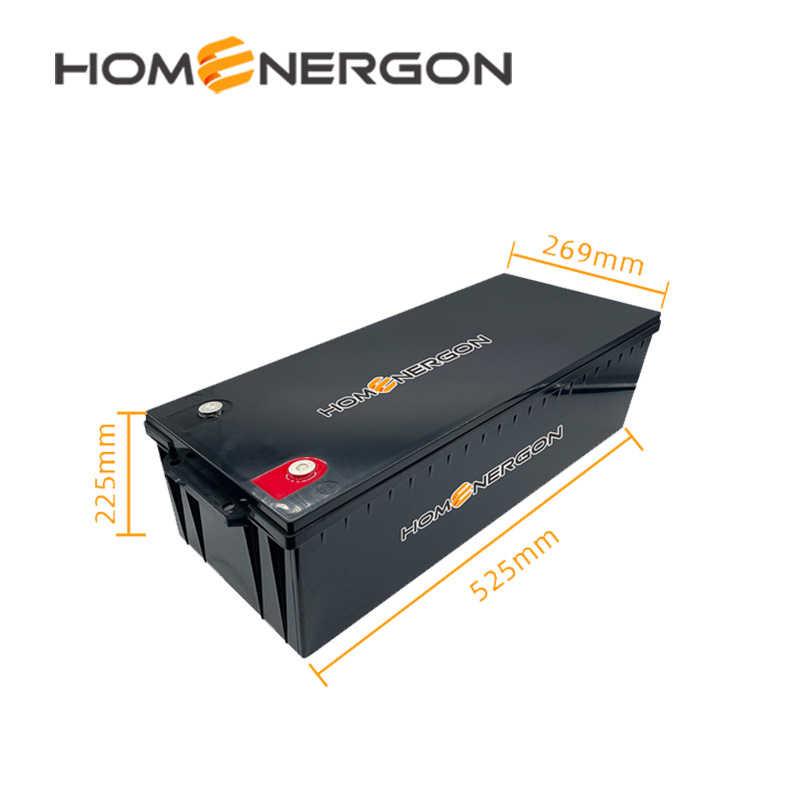
For example, Homenergon's 51.2V 100Ah battery is rated at 5.12kWh. Its listed cycle-life rating is more than 4,000 cycles under specified test conditions. This is a product-specific rating, not a guarantee that every installation will achieve the same result.
When comparing batteries, check the cycle-life rating alongside its depth of discharge, test conditions, remaining-capacity threshold, and warranty. A cycle-life figure without these details can be misleading.
2. Usable Capacity: How Much Energy Can You Actually Use?
A battery's rated capacity does not always equal the energy available to power appliances. The usable amount depends on its permitted depth of discharge, efficiency, battery management settings, and system losses.
Lead-acid batteries are often sized conservatively because repeatedly discharging them too deeply can shorten their life. LiFePO4 batteries commonly allow a higher usable proportion of rated capacity, subject to the manufacturer's limits.
Consider a simplified example: a 5kWh battery operated at 80% usable depth of discharge provides 4kWh of nominally usable energy before conversion losses. A 5kWh battery limited to 50% discharge provides 2.5kWh under the same simplified calculation.
Actual energy delivered to appliances will be lower when inverter losses and other system factors are included. This is why a solar battery pack should be selected according to daily energy demand and required backup duration, rather than its amp-hour rating alone.
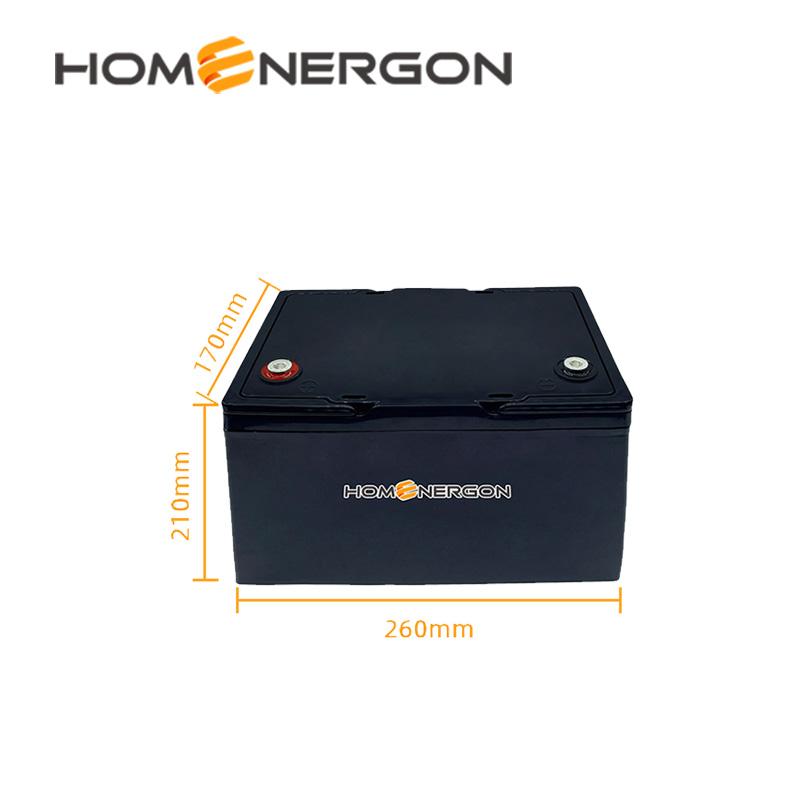
For a smaller installation, the 12.8V 100Ah LiFePO4 battery provides 1.28kWh of rated energy. Larger storage requirements may call for higher-voltage or higher-capacity battery configurations, provided the system is designed for them.
3. Upfront Cost vs. Long-Term Cost
Lead-acid batteries generally have a lower purchase price, which can make them attractive when the initial budget is the main concern. However, the purchase price does not tell the whole story.
For a solar installation that cycles every day, the total cost of ownership should account for:
- Initial battery purchase price and installation costs.
- Usable energy available from each battery.
- Expected cycle life under the intended operating conditions.
- Replacement frequency and disposal costs.
- Charging efficiency, maintenance, and downtime.
- Warranty coverage and compatibility with the inverter.
A useful comparison is the cost per delivered kilowatt-hour over the battery's service life. A more expensive lithium battery may offer better value if it delivers substantially more usable energy over more cycles. However, the result depends on real operating conditions, not chemistry alone.
For a fair comparison, request comparable warranty terms and performance data from both suppliers. Avoid assuming that a longer advertised cycle life automatically translates into the same number of years in every installation.
4. Weight, Space, and Installation
Battery weight and footprint matter when space is limited or when equipment must be transported and installed in a compact enclosure. For a similar amount of stored energy, LiFePO4 batteries are generally lighter than lead-acid alternatives.
This can make lithium batteries convenient for residential energy storage, remote cabins, and installations where floor loading or handling is a concern. Lead-acid batteries may require more space and structural support for a comparable usable-energy target.
Before choosing a battery, confirm its dimensions, weight, terminal arrangement, ventilation requirements, enclosure rating, and permitted installation environment. Flooded lead-acid batteries require particular attention to ventilation and electrolyte maintenance. Sealed AGM and gel batteries have different requirements, so they should not be treated as identical to flooded models.
5. Charging Efficiency and Solar Performance
A solar battery needs to absorb energy when sunlight is available and supply it when demand rises or solar production falls. Charging efficiency and the battery's ability to accept charge affect how effectively the system uses available solar energy.
LiFePO4 batteries typically offer high charge and discharge efficiency and can accept relatively high charging currents when battery temperature, BMS settings, and manufacturer specifications permit. Lead-acid batteries may take longer to complete the absorption stage, especially near full charge.
Neither technology should be connected to a solar charge controller or inverter without checking compatibility. Confirm the required charging voltage, maximum charging current, low-voltage cutoff, and communication requirements. A lithium battery's BMS and the inverter settings must work together correctly.
For systems that require regular overnight energy storage, these factors can influence how much solar energy is captured and how reliably it is available for later use.
6. Which Battery Is Better for Different Solar Applications?
Residential Solar Energy Storage
For households that charge a battery during the day and use stored energy in the evening, LiFePO4 is often the stronger option. Its cycle life, usable capacity, and relatively low maintenance make it suitable for regular daily operation.
Off-Grid Solar Systems
Off-grid systems need enough stored energy to cover periods of low solar production. LiFePO4 can be a good choice where the battery cycles frequently, but system designers must still size the battery bank for daily consumption, backup days, inverter loads, and seasonal solar conditions.
Commercial Solar Installations
For businesses, battery selection should consider load profiles, peak demand, backup requirements, expected cycling, and the cost of downtime. Larger systems also need careful review of battery monitoring, protection, installation standards, and system integration.
Budget-Sensitive Backup Systems
Lead-acid batteries may remain suitable for some applications where cycling is infrequent and the initial purchase price is a priority. Buyers should weigh this advantage against replacement frequency, usable capacity, maintenance, and the consequences of a battery failure.
7. How to Choose the Right Deep Cycle Lithium Battery
If you are considering a deep cycle lithium battery for solar energy storage, start with the load requirements rather than choosing a battery by voltage or price alone.
- Calculate daily energy use. Add the watt-hours consumed by the appliances or equipment that the battery must support.
- Decide on backup duration. Determine whether the system needs to supply power for several hours, overnight, or multiple days.
- Choose the appropriate voltage. Check whether the inverter or charge controller supports the proposed battery voltage.
- Check continuous and peak current. The battery must handle both normal loads and permitted short-duration surges.
- Confirm expandability. If more storage may be needed later, verify the manufacturer's rules for parallel or series connections.
- Review safety and warranty details. Check BMS protections, operating-temperature limits, certifications, and warranty conditions.
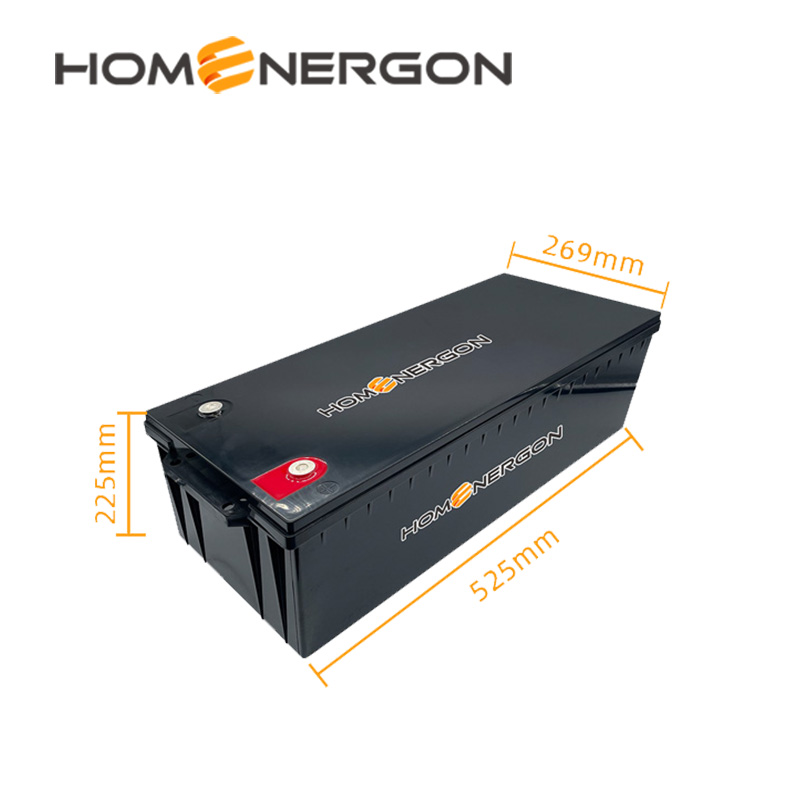
For example, the 25.6V 200Ah battery pack has a rated energy capacity of 5.12kWh. Buyers should verify the complete datasheet and ensure that the inverter and protection settings match the intended installation.
For a complete solar setup, battery selection should be considered alongside panel capacity, inverter power, charge-controller limits, and the site's energy requirements.
Frequently Asked Questions
Is LiFePO4 better than lead-acid for solar batteries?
For systems that cycle frequently, LiFePO4 is often the better choice because it generally offers a longer cycle life, higher usable capacity, and lower routine maintenance. Lead-acid can still be appropriate for less frequently used systems with tight upfront budgets.
Can a LiFePO4 battery replace a lead-acid battery?
Sometimes, but a direct replacement is not always suitable. Check the nominal voltage, charging profile, maximum current, battery dimensions, terminal polarity, BMS requirements, and inverter or charger compatibility before replacing the battery.
How do I calculate the size of a solar battery pack?
Estimate the energy your appliances consume during the required backup period, then account for the battery's usable depth of discharge and inverter losses. The final capacity should also reflect seasonal conditions, expected loads, and any reserve requirement.
Are LiFePO4 batteries maintenance-free?
They generally require less routine maintenance than flooded lead-acid batteries, but they are not maintenance-free in every respect. Install them according to the manufacturer's instructions, inspect cables and connections, monitor system warnings, and keep the battery within its specified temperature and charging limits.
Final Recommendation
For most solar energy storage applications that involve regular cycling, LiFePO4 lithium batteries offer a compelling balance of usable capacity, cycle life, charging performance, and maintenance requirements. Lead-acid batteries can still make sense where the initial budget is the overriding concern and the system is not cycled deeply or frequently.
The best choice comes down to the total cost over the intended service life and the requirements of the solar installation. Compare usable energy, cycle-life test conditions, warranty, charging limits, and inverter compatibility before making a purchase.
Homenergon supplies lithium battery packs and integrated solar energy storage products for residential and commercial applications. Visit the Homenergon website to explore available solutions and contact the team for product specifications and system selection support.