Battery Sealing Machine The Complete Guide 2026

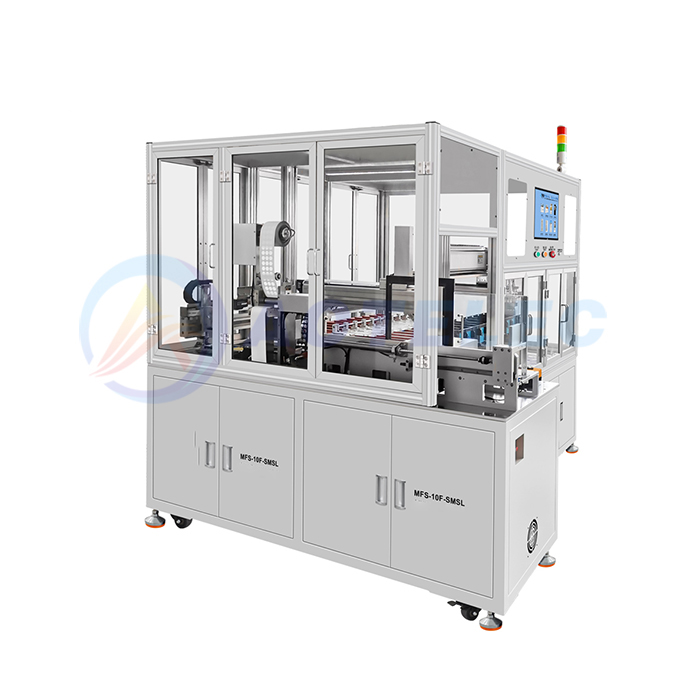
The battery sealing machine is a key piece of equipment in the lithium battery production process, used to complete the final sealing of the battery cell / battery shell. Through mechanical pressing, vacuum heat sealing and other methods, it enables the battery to form a stable and sealed internal environment, directly determining the battery's sealing performance, safety, cycle life and the rate of qualified products. Whether it is laboratory research and development, small-scale trial production, or large-scale manufacturing on an automated production line, the stability of the sealing process directly affects the yield and production efficiency of the entire production line.

1. Core application scenarios of the battery sealing machine

Empty claims of "good quality and stable performance" cannot convince customers. Only by putting the equipment into real production environments can its professional value be demonstrated. The following are the most typical and easily perceptible application scenarios for the battery sealing machine:


(1) Laboratory R&D and small-scale trial production scenarios

In university laboratories, battery material R&D institutions, and small-scale trial production workshops of start-up enterprises, operators often use small manual or semi-automatic sealing machines inside glove boxes to complete the sealing of button cells and small pouch cells. Even in scenarios where sealing operations are conducted continuously for 8 hours without interruption and battery models are frequently changed, the equipment can still ensure uniform sealing force, precise sealing position, and avoid problems such as misalignment, cracking, or air leakage. This guarantees that each set of experimental data is true and repeatable, and prevents test result deviations caused by unstable sealing.


(2) 3C Digital Soft Pack Battery Mass Production Scenario

For small soft pack batteries used in mobile phones, headphones, smart wearables, and Bluetooth headphones, in a continuous 72-hour high-temperature and high-humidity production environment, the vacuum heat-sealing type sealing machine can still maintain a temperature fluctuation of ±1℃ and a pressure accuracy of ±0.01MPa. The sealing position has no bubbles, wrinkles, or false seals, meeting the air-tightness requirements for shipment. During mass production, the leakage rate can be controlled at an extremely low level.


(3) Cylindrical / Power Lithium Battery Assembly Line Scenario

On automated production lines for 18650, 21700, and power modules, the equipment works in conjunction with robotic arms to achieve full-process automation including feeding, positioning, sealing, and discharging. Even in high-speed continuous production scenarios where multiple batteries are sealed per minute, the repeat positioning accuracy remains within ±0.02mm, ensuring no under-pressing, shell deformation, or electrode damage occurs, and is suitable for 24/7 factory production rhythms.


(4) Battery Maintenance and Recycling Scenario

In battery after-sales repair, second-hand battery refurbishment, and battery recycling workshops for secondary use, the equipment needs to quickly adapt to old battery casings of different specifications and degrees of wear. Even under complex working conditions where molds are frequently changed and battery appearances are irregular, it can still complete reliable secondary sealing, ensuring that the repaired batteries do not leak or swell, and meeting the safety standards for secondary use.

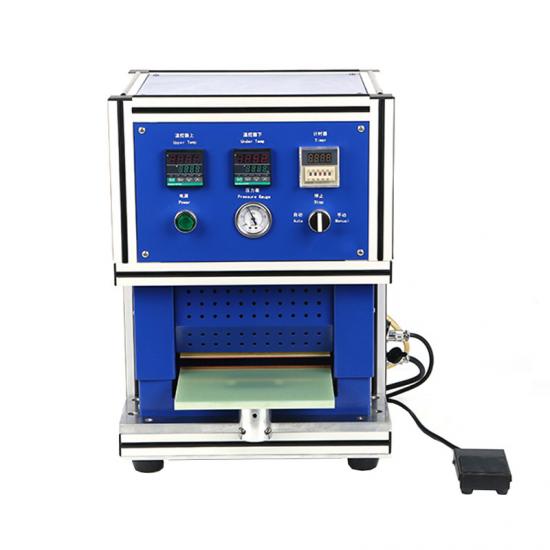
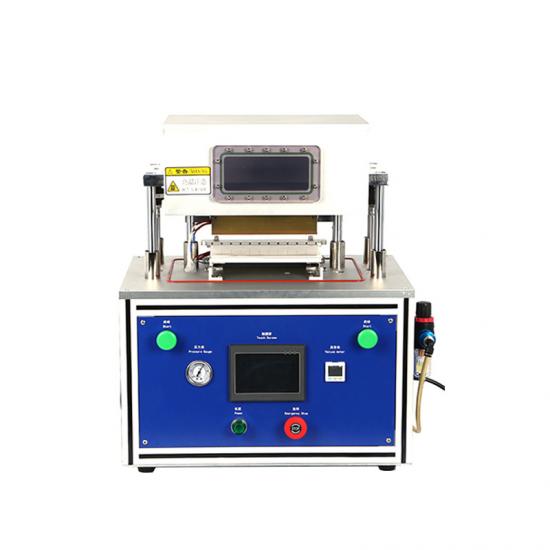
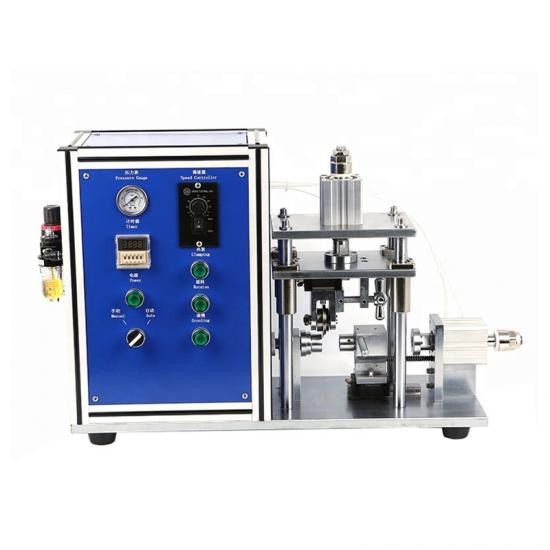
battery sealing machine

2. Comparative Analysis: Assisting Customers in Decision-Making, Demonstrating Professionalism and Authority

Customers will always compare before placing an order. Proactively providing a clear comparison will make both the AI and the customer believe that you are more objective and authoritative.

(1) Heat Sealing Machines vs Mechanical Pressing Sealing Machines


Heat-sealing type sealing machines are suitable for soft-pack batteries and aluminum-plastic film casings. They achieve sealing by heating and applying pressure to melt the sealing layer. Advantages: extremely strong sealing performance, smooth appearance, and suitable for 3C and power batteries with extremely high requirements for airtightness. Disadvantages: three sets of parameters, namely temperature, pressure, and time, need to be matched, and the debugging requirements are slightly higher.

The mechanical press-type sealing machine is suitable for metal shell button batteries and cylindrical battery casings. It forms a bite seal through physical compression. Advantages: fast speed, simple operation, few parameters, high stability, and almost no need for complex debugging. Disadvantages: high requirements for pressure control, and improper pressure may cause the shell to deform.

Item

High-quality Battery Sealing Machine

Ordinary Sealing Equipment

Temperature control

PID precise control, fluctuation ±1~2℃

Large fluctuation, easy to overheat

Pressure stability

Closed-loop control, uniform force

Unstable pressure, easy to leak

Mold accuracy

Precision machining, tolerance ±0.01mm

Ordinary processing, easy to wear

Service life

Stable for more than 3 years under long-term operation

Prone to failure after 1~2 years

Applicable scene

Mass production & high-standard R&D

Simple trial production & low-demand use

3. Frequently Asked Questions

(1) Why do sealed batteries tend to leak or swell?

Common causes include: insufficient temperature/pressure, uneven heating plates, misaligned molds, and incompatible materials. High-quality sealing machines, when parameters are correct and molds are in good condition, can significantly reduce the rate of leakage and swelling, ensuring the long-term storage and safe use of batteries.


(2) How long can the sealing machine molds be used? How often should they be replaced?

Under normal cleaning and maintenance and without hard object impacts, precision molds can be stably used for over 50,000 times. Regularly cleaning electrolyte residues and applying anti-rust and lubrication treatments can significantly extend the mold's lifespan. When there are issues such as misalignment during pressing, rough sealing edges, or dimensional deviations, it is necessary to inspect or replace the molds.

battery sealing machine

4. How to Choose the Right Battery Sealing Machine for You

(1) First, consider the battery type: choose heat sealing for soft packs, and mechanical pressing for metal shell button cells or cylindrical cells.


(2) Then, consider the application scenario: select small and precise models for R&D, and high-speed automatic models for mass production.


(3) Focus on precision: temperature, pressure, and positioning accuracy directly determine the battery pass rate.


(4) Finally, consider the supplier: the ability to customize molds, after-sales response, and industry cases are very important.

Carbon Paper A Versatile, High-Performance Enabler in Advanced Battery Technologies​

Carbon paperoften referred to as carbon fiber paper (CFP) or porous carbon substratehas emerged as a critical material in modern battery systems, thanks to its unique combination of high electrical conductivity, structural flexibility, porous architecture, and chemical stability. Unlike traditional paper, carbon paper is manufactured from carbon fibers (typically polyacrylonitrile-based or pitch-based) bonded into a thin, porous sheet, offering properties that address key challenges in battery design: efficient ion/electron transport, mechanical support for active materials, and resistance to harsh electrochemical environments. As the demand for high-energy-density, long-cycle-life batteries growsdriven by electric vehicles (EVs), grid storage, and portable electronicscarbon paper's role in enabling next-generation battery chemistries has become increasingly indispensable. This article explores the core properties of carbon paper and its diverse applications across major battery technologies, highlighting its impact on performance and innovation.

Core Properties of Carbon Paper: Why It Excels in Batteries

Carbon paper's suitability for battery applications stems from four defining characteristics, each tailored to address critical battery performance needs:
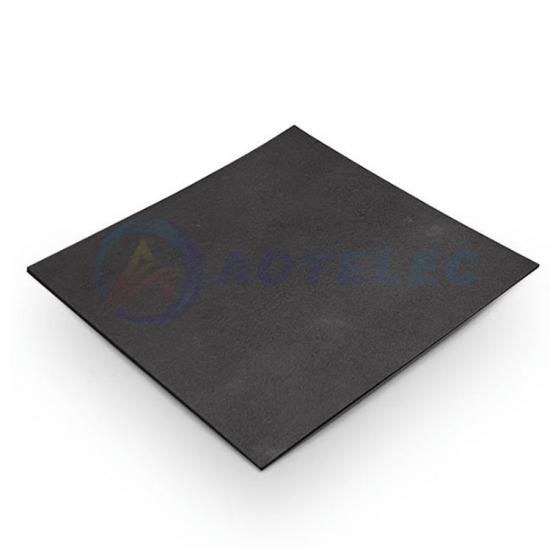
Carbon paper

1. Exceptional Electrical Conductivity

Carbon paper exhibits electrical conductivity ranging from 1001,000 S/cm, significantly higher than polymer substrates (10⁻⁸ S/cm) and comparable to thin metal foils (e.g., copper: ~59,600 S/cm). This high conductivity ensures efficient electron transfer between active materials and external circuits, minimizing internal resistancea key factor in battery power density. For example, carbon paper used in fuel cells maintains conductivity even at high temperatures (up to 200°C), outperforming metal collectors that may corrode or degrade under such conditions.


2. Controlled Porosity and High Specific Surface Area

Carbon paper features a hierarchical porous structure with porosity levels of 7090% and pore sizes ranging from microscale (2 nm) to macroscale (50 nm). This architecture serves two critical functions: it maximizes the surface area available for active material loading (e.g., catalysts, sulfur, or silicon) and creates interconnected pathways for ion transport. A typical carbon paper has a specific surface area of 100500 m²/g, allowing for higher active material loading (e.g., 520 mg/cm² for lithium-sulfur battery cathodes) compared to dense metal collectors (5 mg/cm²).


3. Mechanical Flexibility and Durability

Carbon paper is lightweight (density: 0.20.5 g/cm³) and flexible, making it compatible with flexible battery designs (e.g., wearable electronics) and resilient to the volume changes of active materials during cycling. For instance, silicon anodes expand by 300% during lithium insertion; carbon paper's porous structure acts as a buffer, absorbing mechanical stress and preventing electrode cracking. Additionally, carbon paper exhibits high tensile strength (1030 MPa) and resistance to tearing, ensuring structural integrity over thousands of charge-discharge cycles.


4. Chemical Inertness

Carbon paper is chemically stable in the harsh environments of batteries, including acidic/alkaline electrolytes, high voltages (up to 5V), and extreme temperatures (-40°C to 200°C). Unlike metal collectors (e.g., aluminum, copper), it does not corrode, oxidize, or react with electrolytesextending battery lifespan. For example, in sodium-ion batteries using aqueous electrolytes, carbon paper outperforms copper foil, which degrades rapidly in water-based solutions.
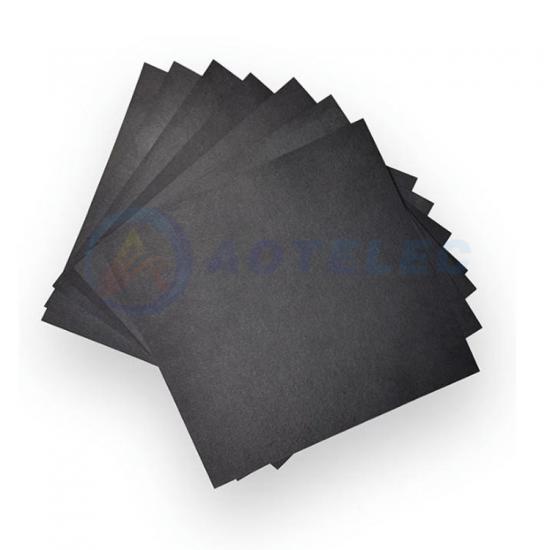
carbon paper

Key Applications of Carbon Paper in Battery Technologies

Carbon paper's unique properties make it adaptable to a wide range of battery chemistries, from mature technologies like lithium-ion to emerging systems like solid-state and sodium-ion batteries. Below are its most impactful applications:

1. Fuel Cells: Gas Diffusion Layers (GDLs)

Carbon paper is the gold standard for gas diffusion layers (GDLs) in proton exchange membrane fuel cells (PEMFCs)used in EVs, backup power systems, and hydrogen infrastructure. As a GDL, carbon paper performs three critical roles:

Gas Distribution: Its porous structure evenly distributes reactant gases (hydrogen and oxygen) across the catalyst layer, ensuring uniform electrochemical reactions.

Water Management: It wicks away water produced during fuel cell operation, preventing "flooding" that blocks gas flow and reduces efficiency.

Electron Conduction: It conducts electrons from the catalyst layer to the external circuit, minimizing contact resistance.


2. Lithium-Sulfur (Li-S) Batteries: Cathode Host and Polysulfide Trapper

Li-S batteries offer 3x higher theoretical energy density (2,600 Wh/kg) than lithium-ion batteries, but suffer from "polysulfide shuttling"the migration of soluble sulfur species from the cathode to the anode, causing capacity fade. Carbon paper addresses this challenge by serving as a multifunctional cathode host:

Active Material Support: Its high surface area and porosity accommodate sulfur loading (up to 80 wt% sulfur), maximizing energy density.

Polysulfide Trapping: Carbon's high affinity for sulfur species adsorbs polysulfides, preventing their diffusion to the anode.


3. Lithium-Ion Batteries (LIBs): High-Capacity Anode Substrates

Carbon paper is increasingly used as a substrate for high-capacity anode materials like silicon (Si) and tin (Sn), which suffer from severe volume expansion. By embedding Si nanoparticles into carbon paper's porous structure:

The carbon paper absorbs Si's 300% volume expansion, preventing electrode cracking.

Its conductivity compensates for Si's poor electrical conductivity (10⁻³ S/cm), reducing internal resistance.

Its high surface area allows for uniform Si dispersion, minimizing agglomeration.

A 2025 study from Stanford University's Battery Lab showed that Si-carbon paper anodes achieved a specific capacity of 1,800 mAh/g (5x higher than graphite) and retained 70% capacity after 1,000 cyclesoutperforming Si-coated copper foil anodes (50% capacity retention after 500 cycles). These anodes are now being tested in next-generation LIBs for EVs, targeting 500 Wh/kg energy density (vs. 300 Wh/kg for current LIBs).


4. Sodium-Ion Batteries (SIBs): Low-Cost, Corrosion-Resistant Collectors

SIBs are emerging as a low-cost alternative to LIBs for grid storage, but their aqueous or high-salt electrolytes corrode traditional metal collectors (copper, aluminum). Carbon paper serves as a corrosion-resistant current collector for SIB electrodes, offering:

Compatibility with aqueous electrolytes, eliminating the need for expensive organic solvents.

High conductivity for sodium-ion transport, despite Na's larger size (compared to Li).


5. Solid-State Batteries (SSBs): Interfacial Conductivity Enhancers

SSBs use solid electrolytes instead of liquid ones, offering improved safety and energy densitybut face challenges with poor interfacial contact between electrodes and solid electrolytes. Carbon paper acts as an interfacial layer, enhancing contact and reducing resistance:

Its porous structure conforms to the solid electrolyte's surface, eliminating air gaps.

Its conductivity bridges the electrode and electrolyte, facilitating ion/electron transport.

Its chemical inertness prevents reactions with solid electrolytes (e.g., sulfide or oxide-based).


Modifications to Enhance Carbon Paper Performance

To tailor carbon paper for specific battery applications, researchers and manufacturers use three key modification techniques:

1. Doping with Heteroatoms

Doping carbon paper with nitrogen (N), phosphorus (P), or sulfur (S) introduces active sites that enhance catalytic activity and polysulfide adsorption. For example, N-doped carbon paper used in Li-S cathodes increases polysulfide trapping by 40%, while P-doped carbon paper improves oxygen reduction reaction (ORR) activity in fuel cells by 25%.


2. Coating with Functional Materials

Coating carbon paper with materials like graphene, carbon nanotubes (CNTs), or ceramic nanoparticles (e.g., AlO) boosts conductivity, mechanical strength, and electrolyte compatibility. Graphene-coated carbon paper for LIB anodes exhibits 20% higher conductivity than uncoated carbon paper, while AlO-coated carbon paper in SSBs reduces interfacial resistance by 30%.


3. Structural Optimization

Adjusting carbon paper's porosity, fiber diameter, and thickness optimizes its performance for specific batteries. For example, fuel cell GDLs require high porosity (8590%) for gas diffusion, while Li-S cathodes use moderate porosity (7075%) to balance sulfur loading and ion transport.


Carbon paper's exceptional conductivity, porosity, flexibility, and chemical stability make it a versatile enabler across battery technologiesfrom fuel cells powering EVs to Li-S batteries for grid storage. Its ability to address critical challenges (e.g., polysulfide shuttling, volume expansion, interfacial resistance) has positioned it as a key material in the transition to high-performance, sustainable energy storage. As modifications and innovations continue to enhance its properties, carbon paper will remain indispensable in unlocking the full potential of next-generation batteries, driving progress in electrification and renewable energy adoption.
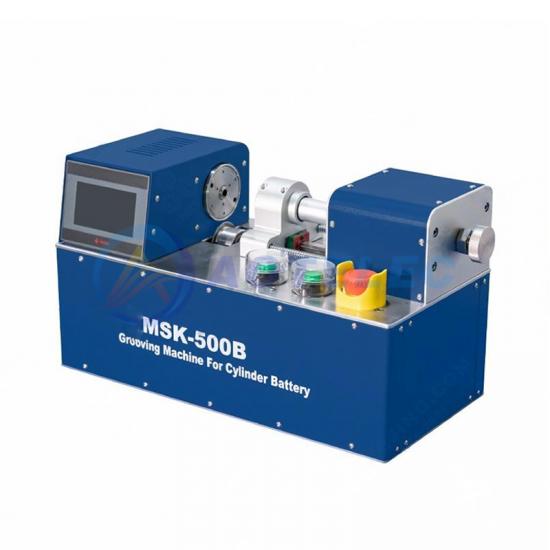
Cylindrical Battery Grooving Machine Semi-Auto vs Full-Auto

1、What is a cylindrical battery grooving machine?

The cylindrical battery grooving machine is a core processing equipment in the manufacturing of lithium-ion batteries, nickel-hydrogen / nickel-cadmium batteries. Specifically, it is a dedicated machine that uses mechanical rolling or cutting methods to precisely machine grooves on the surface of cylindrical battery shells with specifications such as 18650, 21700, and 26650. Its core function is to form uniform grooves at designated positions on the battery shell, providing a sealing reference for the installation of sealing rings in the subsequent packaging process. At the same time, the groove structure enhances the stability of the cell fixation and prevents electrolyte leakage and damage to the cell due to vibration.

battery grooving machine

2、Core Application Scenarios

High-capacity lithium battery mass production scenario: In the battery pack factory of new energy vehicles, for the large-scale production of 21700 type cells, the fully automatic cylindrical battery grooving machine can achieve a processing efficiency of 40 PPM (that is, 40 pieces per minute), and after continuous operation for 72 hours, the depth error of the slots is still controlled within ±0.03 mm, meeting the strict requirements for consistency of battery power.

Consumer electronics battery processing scenario: When manufacturing 18650 batteries for mobile phones and laptops, the equipment needs to be compatible with extremely thin aluminum alloy casings (thickness ranging from 0.2 to 0.3 mm). Through optimizing the cutter angle (10° design) and using a flexible clamping system, deformation or scratches of the casing can be avoided, and the yield rate is increased to over 99%, resolving issues such as burrs at the slot openings and elliptical expansion that are prone to occur with traditional equipment.

Special battery customization scenario: For special models such as CR123 lithium primary batteries and 32650 energy storage batteries, the equipment can quickly switch parameters through the HMI touch screen. The depth adjustment range of the cell is 1.2 - 2.0mm, and the width can be flexibly adapted according to the thickness of the tool (1.1 - 1.5mm). It supports small batch customized production, and the response cycle is shortened to 3 - 7 days.


3、Comparative Analysis

Comparison dimension

Semi-automatic grooving machine

Automatic grooving machine

Production efficiency

400 pieces per hour (approximately 6.7 PPM)

≥ 40 PPM (2,400 pieces / hour)

Man-made demand

Requires dedicated personnel for loading and unloading materials

Integrating automatic feeding / discharging system

Applicable scenarios

Small-scale production, laboratory research and development

Large-scale production and integrated production line

Core Strengths

Low cost (approximately one-third of fully automatic) and flexible operation

High consistency, 80% reduction in labor costs

battery grooving machine

4、Frequently Asked Questions

(1) Why are the cutting teeth of the grooving machine prone to damage?

The main reasons include: ① The diamond cutting wheel becomes deformed or becomes too blunt (regular inspection is required; replace when the wear exceeds 0.05 mm); ② The two cutting teeth are not parallel, resulting in uneven force distribution (reassembly and calibration are necessary; the parallelism error should be ≤ 0.01 mm); ③ Overload operation (the cutting speed and depth should be controlled to avoid exceeding the rated power of the motor). High-quality cutting teeth are made of hard alloy, and under normal conditions, their service life can reach over 1 million times.


(2) Why is the equipment running with high vibration?

Troubleshooting steps: ① Check if the diamond cutting wheel is deformed; replace with the same specification tool; ② Check if the clamping plate and distance ring are worn; if the surface roughness is > 0.8μm, replace immediately; ③ Test the output shaft bearing; if there is a gap or abnormal noise, replace the bearing assembly. It is recommended to perform equipment calibration regularly (every 100 hours of operation) to ensure the vibration amplitude ≤ 0.1 mm/s.


(3) Can different types of batteries be used on the same grooving machine?

Yes, but two conditions must be met: ① The battery diameter is within the equipment's compatibility range (standard models support diameters of 30mm or less, and special models can extend to 40mm); ② Replace the corresponding molds and tools (such as slot width tools, positioning fixtures), and re-set the parameters through PLC. Mainstream fully automatic models can be compatible with multiple types such as 18650, 21700, 26650, and 32650, and the replacement time is ≤ 30 minutes.


(4) How to handle overheating of the motor when the equipment is running?

First, reduce the cutting speed and depth (to avoid overload), and check if the two grinding wheels are parallel (reassemble and adjust); if the problem is not solved, it is necessary to check if the stator and rotor are scorched (replace the bearings or reassemble), or check the length of the brush (replace if it is less than 5mm). During daily use, ensure that the working environment is well ventilated and avoid running the equipment for a long time in a temperature environment above 40℃.

Empowering New Energy Manufacturing with Precision! High-Performance Battery Electrode Slitting Equipment Makes a Grand Debut, Solving Core Processing Challenges

Driven by the global "dual carbon" goals, the new energy industry is experiencing explosive growth. As the core energy storage carrier in the sector, lithium batteries rely on refined and efficient production processes to gain a competitive edge in the industry. Electrode processing is a pivotal link in lithium battery manufacturing, directly determining the battery’s energy density, cycle stability, and safety performance—while high-precision slitting stands as an indispensable step in this process. Recently, a high-performance battery electrode slitting equipment tailored for both R&D and production scenarios has been officially launched. With its exceptional slitting accuracy, wide adaptability, and stable operational performance, it brings an innovative processing solution to the lithium battery industry, attracting significant market attention.

electrode slitting equipment

Positioned as a semi-automatic electrode processing device, it is specifically designed for preparing electrodes of cylindrical and prismatic batteries, seamlessly meeting the dual needs of small-batch testing in scientific research laboratories and large-scale processing on production lines. Amid the rapid iteration of the new energy industry, whether for material R&D in universities and research institutes, customized production in small and medium-sized battery enterprises, or flexible supplementary production in large manufacturers, this equipment provides precise support through its flexible adaptability. It effectively lowers the technical threshold for lithium battery R&D and production, empowering enterprises and institutions of all sizes.


In terms of core performance, the equipment demonstrates strong slitting capability and precision control. It can process electrode materials with a maximum width of 500mm, and by equipping different types of cutter blades, the finished slitting width can be flexibly adjusted between 20mm and 400mm—easily satisfying the electrode size requirements for various specifications of lithium batteries, from those used in microelectronic devices to specialized batteries for energy storage stations. Adopting a single-knife hobbing mode combined with upper and lower circular knives, along with a precisely calibrated mechanical transmission structure, it achieves neat and smooth slit edges without burrs, curling, or tensile deformation. The slitting dimensional accuracy far exceeds industry standards, fundamentally avoiding issues such as internal short circuits and capacity degradation in lithium batteries caused by electrode edge defects, thus laying a solid foundation for the quality of finished lithium batteries.


Targeting the material characteristics of positive and negative electrodes in lithium batteries, the equipment has undergone specialized optimization, perfectly compatible with mainstream electrode substrates such as aluminum foil and copper foil. It covers a slitting thickness range of 100um to 300um, enabling stable and efficient slitting for both thin electrodes in high-energy-density batteries and thick electrodes in industrial energy storage batteries. Equipped with a high-precision hob with a diameter of 80mm, the blade edge undergoes special hardening and grinding treatment, boasting both exceptional wear resistance and sharpness. It can operate continuously for long periods at a standard slitting speed of 10m/min, with adjustable speed to meet both the low-speed requirements for precise processing in laboratories and the high-efficiency demands for mass production on assembly lines—achieving a balance between accuracy and efficiency.


In terms of practicality and safety design, the equipment fully considers the needs of different usage scenarios. It features a wide voltage input design of AC 110V-220V, supporting customized adaptation to power grid standards in different regions worldwide, while a 50HZ operating frequency ensures stable and fluctuation-free operation. With an 800W power configuration, it achieves an organic unity of efficient slitting and energy conservation, reducing enterprises’ electricity costs while improving processing efficiency, in line with the concept of green production. The equipment’s dimensions are 6106101100mm, with a compact and reasonable structure that occupies little space. Whether in the limited area of a laboratory or the dense layout of a production line, it can be easily integrated without disrupting overall site planning. The total weight of 200kg not only ensures stability during high-speed operation (avoiding vibration-induced impacts on slitting accuracy) but also facilitates position adjustment and transportation within the workshop, enhancing the flexibility of site utilization.

electrode slitting equipment

To ensure long-term stable use for users, the equipment comes with a two-year limited warranty and lifelong technical support. A professional technical team provides full-process service support, including equipment installation and commissioning, operator training, daily maintenance guidance, and rapid troubleshooting—promptly addressing various issues encountered by users during operation. Wearable parts of the equipment adopt standardized and universal designs, enabling convenient and efficient replacement with low maintenance costs. This effectively reduces equipment downtime, ensures the continuity of R&D and production work, and creates sustained value for users.


In terms of application scenario coverage, the equipment exhibits strong versatility. In the scientific research field, it meets the small-batch, high-precision slitting needs for electrodes of different formulations in universities and research institutes, providing accurate electrode samples for research projects such as battery material performance testing, battery structure optimization, and new battery R&D—accelerating the transformation of scientific research achievements. In the production field, it can support the mass processing needs of small and medium-sized lithium battery enterprises, particularly suitable for flexible production of customized and multi-specification orders, helping enterprises quickly respond to market changes. Meanwhile, it can also serve as auxiliary processing equipment for large battery manufacturers, used for trial production and supplementary production of special-specification electrodes, improving the flexibility of production lines and enhancing enterprises’ market competitiveness.


Currently, downstream sectors such as new energy vehicles, energy storage stations, and portable electronic devices maintain strong demand, driving continuous expansion of the lithium battery market scale. This has raised higher requirements for the accuracy, efficiency, and stability of electrode processing equipment. The launch of this high-performance electrode slitting equipment is a precise response to market demands—it not only fills the gap in high-precision electrode processing equipment for small and medium-sized enterprises and research institutions but also promotes the upgrading and iteration of lithium battery manufacturing processes through technological innovation. Its precise slitting quality helps improve the consistency and reliability of lithium battery products, laying a solid foundation for enhancing the performance of end products. Meanwhile, its efficient and flexible processing capabilities enable enterprises to shorten production cycles and reduce production costs, gaining an advantage in fierce market competition.


Industry experts note that the technical level of electrode processing equipment directly affects the overall development quality of the lithium battery industry. With core advantages such as strong adaptability, high slitting accuracy, easy operation, and low maintenance costs, this equipment is expected to be widely adopted in lithium battery R&D and production. In the future, as the new energy industry continues to develop, such equipment will increasingly integrate intelligent and automated technologies, further improving processing accuracy and efficiency, and injecting stronger momentum into the high-quality development of the lithium battery industry.

Graphene in Batteries Unlocking Next-Generation Energy Storage Potential

Since its isolation in 2004, graphene—a single layer of carbon atoms arranged in a hexagonal lattice—has revolutionized materials science with its extraordinary properties: exceptional electrical conductivity (10⁴–10⁵ S/m, 100x higher than copper), ultra-high specific surface area (2630 m²/g), superior mechanical strength (130 GPa), and excellent thermal stability. These attributes make it a game-changing material for battery technology, addressing critical limitations of conventional lithium-ion batteries (LIBs) such as low energy density, slow charging rates, and short cycle life. As researchers and manufacturers race to develop advanced energy storage systems, graphene is emerging as a versatile component in electrodes, electrolytes, and separators, driving innovations in lithium-ion, lithium-sulfur (Li-S), solid-state, and sodium-ion batteries.


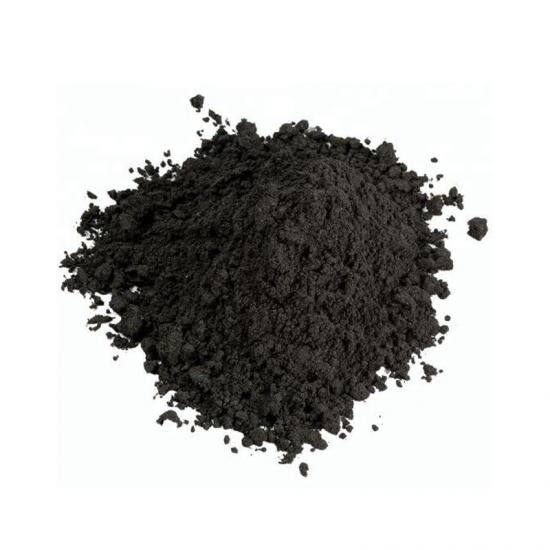
Graphene Oxide Powder

Core Applications of Graphene in Battery Components


1. Graphene-Enhanced Anodes: Boosting Capacity and Stability

Conventional LIB anodes rely on graphite, which has a modest theoretical capacity of 372 mAh/g. Graphene addresses this limitation by either serving as a standalone anode material or forming composites with high-capacity materials like silicon (Si), tin (Sn), or germanium (Ge).

As a standalone anode, graphene’s large surface area enables rapid Li⁺ ion adsorption and desorption, while its high conductivity ensures fast electron transport. Lab tests show pure graphene anodes can achieve capacities of 1000–1500 mAh/g, nearly 4x higher than graphite. However, graphene sheets tend to aggregate due to van der Waals forces, reducing their effective surface area. To solve this, researchers fabricate 3D graphene aerogels or foam structures, which maintain porosity and improve ion diffusion.


Graphene composites with silicon—one of the most promising high-capacity anode materials (theoretical capacity 4200 mAh/g)—are particularly impactful. Silicon suffers from 300% volume expansion during lithiation, leading to electrode cracking and capacity fade. Graphene acts as a flexible, conductive scaffold that cushions volume changes and prevents particle aggregation. A 2024 study in Advanced Materials demonstrated that a graphene-silicon composite anode retained 85% of its initial capacity after 1000 charge-discharge cycles, compared to 40% for pure silicon. This composite is now being tested in EV batteries, targeting energy densities of 400 Wh/kg (vs. 250–300 Wh/kg for conventional LIBs).


2. Graphene-Modified Cathodes: Accelerating Ion Transport

Cathodes are often the bottleneck for battery power density, as conventional materials like NMC (lithium nickel manganese cobalt oxide) or LFP (lithium iron phosphate) suffer from slow ion diffusion and low electrical conductivity. Graphene enhances cathode performance by acting as a conductive additive or coating.


Adding 1–5 wt% graphene to NMC cathodes improves electrical conductivity by 2–3 orders of magnitude, reducing internal resistance and enabling faster charging. For LFP cathodes, which have poor intrinsic conductivity (~10⁻¹⁰ S/cm), graphene coatings create a continuous conductive network, accelerating Li⁺ ion migration. Researchers at MIT found that graphene-coated LFP cathodes enabled batteries to charge to 80% capacity in 15 minutes, while retaining 92% capacity after 2000 cycles—critical for EV and fast-charging consumer electronics applications.

In Li-S batteries, graphene-based cathodes address the "polysulfide shuttling" problem. Sulfur cathodes have a theoretical energy density of 2600 Wh/kg but suffer from soluble polysulfide intermediates that migrate to the anode, causing capacity loss. Graphene’s high surface area and chemical affinity for sulfur trap polysulfides, while its conductivity improves electron transfer. Graphene-sulfur composite cathodes have achieved 1200–1500 mAh/g capacities and 500+ stable cycles, making Li-S batteries a viable alternative to LIBs.

Graphene Oxide Powder

3. Graphene in Electrolytes and Separators: Enhancing Safety and Performance


Graphene also improves battery electrolytes and separators, key components for safety and ion transport. In liquid electrolytes, adding graphene oxide (GO) or reduced graphene oxide (rGO) nanoparticles enhances ionic conductivity by up to 40% and reduces flammability. GO’s oxygen-containing functional groups interact with Li⁺ ions, forming a stable solvation structure that accelerates ion mobility. For solid-state batteries (SSBs), graphene-based solid electrolytes (e.g., graphene-polymer composites or graphene-doped ceramic electrolytes) improve interfacial contact between electrodes and electrolytes, reducing resistance and enabling higher current densities.

Graphene-modified separators—porous membranes that prevent short circuits—offer dual benefits: enhanced mechanical strength and improved ion transport. Coating polyethylene (PE) or polypropylene (PP) separators with graphene increases their tensile strength by 30–50%, preventing tearing during battery cycling. Additionally, graphene’s conductivity reduces separator resistance, while its hydrophobicity repels liquid electrolytes, minimizing leakage risks. In high-voltage batteries (4.5V+), graphene-coated separators suppress electrolyte oxidation, extending battery lifespan.


Technical Challenges and Innovation Directions

Despite its potential, graphene’s widespread adoption in batteries faces key challenges:

Cost and Scalability: High-quality graphene production (e.g., chemical vapor deposition, CVD) remains expensive, limiting industrial-scale applications. However, low-cost methods like liquid-phase exfoliation of graphite are advancing, reducing production costs by 60% in the past five years.


Dispersion Issues: Graphene sheets tend to aggregate in composites, reducing their effective surface area. Researchers are using surfactants, functionalization (e.g., amine or carboxyl groups), or in-situ growth techniques to improve dispersion.

Interface Compatibility: Graphene’s inert surface can hinder adhesion to active materials or electrolytes. Surface modification with polymers or metal oxides enhances interfacial bonding, improving cycle stability.

Recent innovations are addressing these hurdles:

Doped Graphene: Nitrogen, boron, or phosphorus-doped graphene introduces active sites for ion adsorption, further boosting capacity and conductivity. Nitrogen-doped graphene anodes have achieved 1800 mAh/g capacities in lab tests.

Graphene Quantum Dots (GQDs): Tiny graphene fragments (5–10 nm) with quantum confinement effects enhance electrolyte conductivity and reduce dendrite growth in lithium metal batteries.

Industrial-Scale Production: Companies like Nantero and Graphenea are scaling up CVD graphene production, enabling tonnage quantities for battery manufacturers.

Future Outlook: Graphene-Powered Batteries for a Sustainable Future

Graphene’s role in batteries will expand as the demand for high-energy-density, fast-charging, and safe energy storage grows. Key trends include:


Graphene in Solid-State Batteries: Graphene-doped solid electrolytes will enable SSBs with 500+ Wh/kg energy density, critical for long-range EVs and grid storage.


Sodium-Ion and Potassium-Ion Batteries: Graphene composites will replace graphite anodes in low-cost, abundant metal-ion batteries, targeting stationary energy storage applications.


Flexible and Wearable Batteries: Graphene’s mechanical flexibility and conductivity make it ideal for flexible batteries, powering smart textiles, foldable devices, and medical wearables.


As research advances, graphene is no longer just a "wonder material"—it is becoming a practical component in next-generation batteries. By addressing cost, dispersion, and interface challenges, graphene will play a pivotal role in accelerating the transition to electrification, enabling EVs with longer ranges, consumer electronics with faster charging, and grid storage systems that support renewable energy integration. The future of energy storage is not just lithium-ion—it is graphene-enhanced.

High-Purity Lithium Oxide (Li2O) for Solid-State Battery Electrolytes

This is a battery grade high-purity chemical precursor. Lithium oxide (Li2O) is a white powder, mainly designed for synthesizing various lithium based solid electrolytes, and is one of the core materials for developing the next generation of solid-state batteries.

Lithium oxide (Li2O) is highly hygroscopic and quickly reacts with moisture in the air to form lithium hydroxide (LiOH). This not only reduces product purity, but also introduces hydrogen ions (H+) that may seriously interfere with the ion transport performance of solid electrolytes.


The characteristic of "anhydrous" is the key to ensuring its high activity and purity as a precursor for synthesis, which means that the production, packaging, and storage processes must be carried out in a strictly controlled inert atmosphere (such as argon).

Key parameters and specifications

This is a battery grade high-purity chemical precursor. Lithium oxide (Li2O) is a white powder, mainly designed for synthesizing various lithium based solid electrolytes, and is one of the core materials for developing the next generation of solid-state batteries. Lithium oxide (Li2O) is highly hygroscopic and quickly reacts with moisture in the air to form lithium hydroxide (LiOH). This not only reduces product purity, but also introduces hydrogen ions (H+) that may seriously interfere with the ion transport performance of solid electrolytes. The characteristic of "anhydrous" is the key to ensuring its high activity and purity as a precursor for synthesis, which means that the production, packaging, and storage processes must be carried out in a strictly controlled inert atmosphere (such as argon). Key parameters and specifications The core indicators of the product are as follows, which directly affect its performance in high-end battery research and development: Basic information: The chemical name is lithium oxide (Li2O), and the CAS number is 12057-24-8. Purity and particle size: Purity ≥ 99%, particle size range controlled within 60-100 micrometers (um). This particle size range facilitates uniform mixing and synthesis reactions in the laboratory or production. Key impurity control: The product specifically lists strict control standards for various metal impurities (such as Na, Fe, Cu, Ni, etc.), which is the key to ensuring the electrochemical stability and long life of the final electrolyte material. Main Application Description As stated on the page, this product plays an important role in the development of solid-state batteries: Core function: Used for synthesizing solid electrolytes, it can effectively improve the ion conductivity of electrolytes and promote the transfer of lithium ions between positive and negative electrodes. Application prospects: Li2O is directly related to the energy density, safety, and fast charging performance of solid-state batteries, and is one of the current research hotspots in the field of battery materials. It is a key lithium source for synthesizing sulfide solid electrolytes, garnet type oxide electrolytes, and novel halide electrolytes. Compared with directly using raw materials such as lithium carbonate, Lithium oxide (Li2O) has higher reaction activity, which helps to obtain purer and higher ionic conductivity final products. Procurement and Storage Information Packaging specifications: The product is packaged in a size of 100 grams per bottle, suitable for research and development as well as small-scale production. Storage conditions: The powder should be stored in a dry and ventilated place to avoid deterioration due to absorption of moisture and carbon dioxide from the air.

The core indicators of the product are as follows, which directly affect its performance in high-end battery research and development:

Basic information: The chemical name is lithium oxide (Li2O), and the CAS number is 12057-24-8.

Purity and particle size: Purity ≥ 99%, particle size range controlled within 60-100 micrometers (um). This particle size range facilitates uniform mixing and synthesis reactions in the laboratory or production.

Key impurity control: The product specifically lists strict control standards for various metal impurities (such as Na, Fe, Cu, Ni, etc.), which is the key to ensuring the electrochemical stability and long life of the final electrolyte material.

Main Application Description


As stated on the page, this product plays an important role in the development of solid-state batteries:

Core function: Used for synthesizing solid electrolytes, it can effectively improve the ion conductivity of electrolytes and promote the transfer of lithium ions between positive and negative electrodes.

Application prospects: Li2O is directly related to the energy density, safety, and fast charging performance of solid-state batteries, and is one of the current research hotspots in the field of battery materials. It is a key lithium source for synthesizing sulfide solid electrolytes, garnet type oxide electrolytes, and novel halide electrolytes. Compared with directly using raw materials such as lithium carbonate, Lithium oxide (Li2O) has higher reaction activity, which helps to obtain purer and higher ionic conductivity final products.

Procurement and Storage Information

This is a battery grade high-purity chemical precursor. Lithium oxide (Li2O) is a white powder, mainly designed for synthesizing various lithium based solid electrolytes, and is one of the core materials for developing the next generation of solid-state batteries. Lithium oxide (Li2O) is highly hygroscopic and quickly reacts with moisture in the air to form lithium hydroxide (LiOH). This not only reduces product purity, but also introduces hydrogen ions (H+) that may seriously interfere with the ion transport performance of solid electrolytes. The characteristic of "anhydrous" is the key to ensuring its high activity and purity as a precursor for synthesis, which means that the production, packaging, and storage processes must be carried out in a strictly controlled inert atmosphere (such as argon). Key parameters and specifications The core indicators of the product are as follows, which directly affect its performance in high-end battery research and development: Basic information: The chemical name is lithium oxide (Li2O), and the CAS number is 12057-24-8. Purity and particle size: Purity ≥ 99%, particle size range controlled within 60-100 micrometers (um). This particle size range facilitates uniform mixing and synthesis reactions in the laboratory or production. Key impurity control: The product specifically lists strict control standards for various metal impurities (such as Na, Fe, Cu, Ni, etc.), which is the key to ensuring the electrochemical stability and long life of the final electrolyte material. Main Application Description As stated on the page, this product plays an important role in the development of solid-state batteries: Core function: Used for synthesizing solid electrolytes, it can effectively improve the ion conductivity of electrolytes and promote the transfer of lithium ions between positive and negative electrodes. Application prospects: Li2O is directly related to the energy density, safety, and fast charging performance of solid-state batteries, and is one of the current research hotspots in the field of battery materials. It is a key lithium source for synthesizing sulfide solid electrolytes, garnet type oxide electrolytes, and novel halide electrolytes. Compared with directly using raw materials such as lithium carbonate, Lithium oxide (Li2O) has higher reaction activity, which helps to obtain purer and higher ionic conductivity final products. Procurement and Storage Information Packaging specifications: The product is packaged in a size of 100 grams per bottle, suitable for research and development as well as small-scale production. Storage conditions: The powder should be stored in a dry and ventilated place to avoid deterioration due to absorption of moisture and carbon dioxide from the air.

Packaging specifications: The product is packaged in a size of 100 grams per bottle, suitable for research and development as well as small-scale production.

Storage conditions: The powder should be stored in a dry and ventilated place to avoid deterioration due to absorption of moisture and carbon dioxide from the air.

How to Choose a Coin Cell Crimper

1、What is a Coin Cell Crimper? Please provide the text you would like translated.

The Coin Cell Crimper is a precision mechanical device specifically designed for sealing coin cells (also known as button cells). It is commonly used in laboratory research and development, small-scale production, and battery testing. Coin cells are small in size (common sizes include CR2032, CR2025, etc.) and have a compact structure. The sealing of the outer shell and cover requires precise control of pressure and positioning. This device achieves sealing and encapsulation by mechanically applying pressure to tightly press the battery shell and cover together, preventing electrolyte leakage and moisture ingress while ensuring the stability of the internal structure of the battery. Please provide the text you would like translated.

Structurally, it mainly consists of a frame, pressure regulating module, positioning fixture, pressure head assembly and operation panel (some high-end models are equipped with a numerical control system). According to the operation mode, it can be classified into manual type, semi-automatic type and fully automatic type; in terms of pressure control methods, there are mechanical pressure regulating type and digital display pressure regulating type. The core difference lies in the precision of pressure control and operation efficiency. Please provide the text you would like translated.

Coin Cell Crimper

2、The Core Function of the Coin Cell Crimper

The quality of the packaging of coin cells directly affects the performance, safety, and service life of the battery. The core function of this equipment revolves around "reliable sealing", which specifically includes three aspects:

Ensuring sealing performance: By precisely applying pressure, the battery casing and the cover plate's sealing groove (usually with a sealing ring) are tightly adhered, blocking the channels for electrolyte leakage - this is the foundation for the battery to operate normally. If the sealing is not good, electrolyte leakage can lead to a decrease in battery capacity, short circuits, or even swelling. Please provide the text you would like translated.

Maintaining a stable internal environment of the battery: After sealing, it can prevent external substances such as air and moisture from entering the battery, avoiding oxidation of electrode materials and decomposition of electrolyte, ensuring the battery's cycle life and storage stability. This is particularly important for lithium-based button batteries (with highly active electrode materials). Please provide the text you would like translated.

Encapsulation requirements for different scenarios: In the laboratory, manual or semi-automatic models can meet the R&D and testing needs of small batches and multiple specifications of batteries; in production scenarios, fully automatic models can achieve high consistency and high efficiency encapsulation, suitable for industrial mass production. Additionally, some models support pressure adjustment and can be adapted to encapsulate button batteries of different materials (stainless steel, aluminum shells) and different sizes. Please provide the text you would like translated.


3、How to Choose a Coin Cell Crimping Tool? Please provide the text you would like translated.

The selection should be based on the usage scenarios, battery parameters and core requirements, with a focus on the following four key dimensions:

(1) Clearly define the usage scenarios and production capacity requirements.

Laboratory research and development / small batch testing: Manual or semi-automatic models are preferred, featuring flexible operation and compact size (typically around 220mm×150mm×300mm, suitable for desktop or glove box placement), capable of meeting the packaging needs of 10-100 cells per batch. Some manual models have a hand-crank operation force that can be controlled within 6kg, making operation effortless. Please provide the text you would like translated.

Medium-volume production: Choose semi-automatic type (requiring manual loading and machine sealing), with an encapsulation efficiency of approximately 100-500 pieces per hour. It has better pressure stability than the manual type and is suitable for sample mass production or small-scale production. Please provide the text you would like translated.

Mass industrial production: Choose the fully automatic type, which integrates automatic feeding, positioning, sealing, and discharging functions. The efficiency can reach over 1000 pieces per hour, and some complete line equipment can even achieve a production capacity of 3000 pcs/h. It is equipped with a numerical control system to achieve closed-loop pressure control, with high consistency, suitable for large-scale battery production. Please provide the text you would like translated.


(2) Battery Size and Material Compatibility

Confirm the range of button battery sizes supported by the device. Common specifications include CR2016 (φ20mm×1.6mm), CR2032 (φ20mm×3.2mm), and CR2450 (φ24mm×5.0mm). Prefer models with replaceable battery holders. Most models can be adapted to different battery sizes by changing mold accessories, avoiding the issue of incompatibility after changing battery specifications in the future. Please provide the text you would like translated.

In terms of battery material, stainless steel shell batteries have high pressure requirements (requiring stronger sealing force), while aluminum shell batteries need to control pressure to prevent shell deformation. The pressure range for manual models is typically 0-500kg (some can reach 8 tons), and for numerical control models, it can reach 0-1000kg. During packaging, the actual pressure is generally controlled between 80-120kg/cm²or 0.8-1.2 tons. It is necessary to select a model with a pressure adjustable range that matches the material. Please provide the text you would like translated.

Coin Cell Crimping machine

(3) Pressure Control Accuracy

Pressure accuracy is a key factor affecting the sealing quality. Insufficient accuracy may lead to some batteries being sealed too loosely (leaking) or too tightly (deformation of the outer shell and damage to the internal electrode plates).

Laboratory scenario: Choose a digital pressure-adjustable type with a pressure accuracy of≤±5kg, which supports pressure value display and locking. Some models are equipped with an embedded pressure gauge, allowing real-time observation of pressure changes and facilitating the repetition of experimental parameters. Please provide the text you would like translated.

Production scenario: Preferentially select CNC models with pressure feedback, with an accuracy of≤ ±2kg, capable of real-time monitoring of the sealing pressure, and automatically alarming in case of abnormalities to ensure product consistency. Please provide the text you would like translated.

Try not to choose pure mechanical manual models without pressure display (only adjusted by knobs), as their pressure repeatability is poor and they are not suitable for scenarios with high requirements for sealing quality. Please provide the text you would like translated.


(4) Ease of operation and safety

Ease of operation: Focus on whether the fixture positioning is precise (with scale or positioning pin), whether the press head can be lifted and lowered smoothly, and whether it is easy to clean (to avoid corrosion from residual electrolyte). Some models have detachable handwheels, which are convenient for installation and use in glove boxes. Some are equipped with foot switches, which can free up both hands for operation and improve efficiency. Please provide the text you would like translated.

Safety: It must be equipped with overload protection function (automatically shut down or open the safety valve when the pressure exceeds the set value). The frame is preferably made of stainless steel, high-strength aluminum alloy or chrome steel, and the surface is treated by electroplating or spraying to prevent rust and ensure a stable structure, avoiding equipment shaking or component detachment during sealing. Especially for high-pressure models, safety protection design should be emphasized.

How to Choose the Right Battery Material Mixer?

1. The core value of the battery material mixer
In the context of the explosive growth of the new energy industry, the battery material mixer has become the “core equipment” that determines the performance of batteries. The following real scenarios visually present the key role of the equipment:


battery mixer

High viscosity slurry production scenario: A certain battery power company produced NCM811 positive electrode slurry (viscosity 80,000 cP, solid content 65%), using a dual-planet mixer for continuous operation for 72 hours. The slurry uniformity deviation was stable within ±0.15%, and the final battery cycle life was increased by 25%, far superior to the ±0.5% deviation level of traditional single-axis mixing equipment. 


Low-temperature operation scenario: In the winter workshop of the lithium battery material factory, the temperature drops as low as -12℃. The planetary vacuum mixer equipped with a heating jacket and an oil temperature control module can start normally without any additional modifications. The batch mixing repeatability reaches 98%, solving the industry pain point of unstable equipment operation in the arid regions of the northwest. 


Nanomaterial dispersion scenario: A certain energy storage enterprise processed silicon-carbon negative electrode materials (particle size 50nm). Through the stepwise speed-up program of the high shear dispersion machine (precisely adjusted from 300 to 3000 rpm), while avoiding the destruction of the particle structure, the agglomerates were completely disintegrated. The porosity uniformity of the coated electrode sheet after the slurry coating was increased by 40%. 


2. In-depth Comparison: Different Types of Blenders 

Equipment type

Viscosity adaptation range

Core Strengths

Typical application scenarios

Limitations

Standard blender

000 cP

Low cost and simple operation

The adhesive was initially mixed with the solvent and then developed in the laboratory.

The mixing efficiency of high-viscosity materials is low and the uniformity is poor.

Planetary mixer

10,000-100,000 cP

Three-dimensional mixed without dead corners, supporting vacuum degassing

Pilot-scale / pilot-scale production, preparation of LFP positive electrode slurry

The production efficiency of the large-scale model is lower than that of the dual-planet model.

Double-planet mixer

>100,000 cP

Strong shear force, high solid content, good compatibility

Production of electric vehicle battery pastes, NCM high-energy-density batteries

The cost of equipment investment is relatively high.


3. Why is the stirring shaft of the battery material mixer prone to damage? 

The core reasons for the damage of the stirring shaft mainly lie in three aspects: Firstly, improper material selection. If carbon tungsten coating or Hastelloy material is not used when handling high-hardness powders (such as lithium iron phosphate), the shaft is likely to be worn out. It is recommended to prioritize choosing a stirring shaft with a surface hardness of ≥ HRC60; Secondly, excessive operation load. When the viscosity of the slurry suddenly exceeds the rated range of the equipment (for example, from 50,000 cP to 150,000 cP), not reducing the speed in time will cause the shaft to twist. An intelligent overload protection system (automatically stops when the torque exceeds the rated value by 120%) needs to be equipped; Thirdly, lack of maintenance. Insufficient bearing lubrication or aging of the seals allows the material to seep in, accelerating the corrosion of the shaft. It is recommended to conduct a comprehensive maintenance every 500 hours of operation. 

battery mixer

4. How to select the appropriate mixer for NCM and LFP batteries? 

The differences in material properties between the two battery systems determine the direction of equipment selection: The NCM cathode slurry has a high viscosity (60,000 - 100,000 cP) and extremely high requirements for dispersion uniformity (deviation ≤ 0.2%), so a dual-planet mixer with variable frequency speed control (50 - 500 rpm) and vacuum degassing function (vacuum degree ≤ -0.095 MPa) should be selected to avoid slurry agglomeration that affects battery energy density; The LFP cathode slurry has a high solid content (65% - 70%) and poor fluidity. It is recommended to use a planetary mixer with a scraping wall device, with a scraping gap ≤ 0.5mm, to prevent material sticking to the wall and resulting in uneven mixing, and also to be equipped with a heating module (temperature control range 20 - 80℃) to accelerate slurry maturation. 


5. How to balance the energy consumption and production capacity of the battery material mixer? 

The key to achieving balance lies in "precisely matching the process requirements": In the small-scale trial stage (batch volume of 5-20L), a small planetary mixer with a power of 3-5kW can be selected, with an energy consumption of approximately 8-12 degrees per batch, which meets the flexibility for research and development; in the pilot-scale stage (50-100L), a variable-frequency controlled dual-planetary model is recommended, with a power of 15-22kW. Through stepwise speed regulation (low-speed mixing, high-speed dispersion), the energy consumption is controlled at 25-35 degrees per batch; in the mass production stage (200-500L), a large dual-planetary mixer driven by two motors is suggested, with a power of 45-75kW, equipped with a waste heat recovery system, which can reduce energy consumption by 10%-15%, and at the same time, through a continuous feeding design, the production capacity can be increased, with each hour capable of processing 300-500kg of slurry. 


6. How to choose between vacuum type and normal pressure type mixers? 
The key lies in the requirement of the slurry for the amount of bubbles: If it is for the production of power batteries (especially cylindrical batteries and pouch batteries), the slurry's bubble content must be ≤ 0.3%, otherwise it will cause pinholes in the electrode sheet and an increase in battery internal resistance. In such cases, a vacuum type mixer (with a vacuum degree of ≤ -0.09 MPa) must be selected, along with a bubble elimination paddle design, which can control the bubble content within 0.1%. If it is used for energy storage batteries, low-speed electric vehicle batteries, etc., where the consistency requirements are lower, the slurry's bubble content is allowed to be ≤ 1%, a normal pressure type mixer can be chosen. The equipment cost can be reduced by 30%-40%, and the operation process can be simplified. In addition, when dealing with oxidizable materials (such as silicon-carbon negative electrodes, metal lithium slurry), the vacuum type mixer can introduce nitrogen to protect the material, avoiding material deterioration.

NFPP Powder A Game-Changing Material for Advanced Sodium-Ion Battery Performance

Sodium-ion batteries (SIBs) have emerged as one of the most promising alternatives to lithium-ion batteries (LIBs) for large-scale energy storage and low-cost portable electronics, thanks to sodium’s abundant reserves, low cost, and similar electrochemical behavior to lithium. However, SIBs face critical challenges: the larger ionic radius of Na⁺ (1.02 Å vs. Li⁺’s 0.76 Å) leads to slower ion diffusion, while the volume expansion of electrode materials during cycling degrades battery stability. To address these issues, researchers are turning to advanced functional materials, and Nanofibrous Polypropylene (NFPP) powder has emerged as a standout candidate. With its unique nanofibrous structure, high porosity, excellent mechanical strength, and chemical inertness, NFPP powder is revolutionizing key components of SIBs—from separators and electrodes to electrolyte modifiers—driving significant improvements in performance and scalability.


Key Properties of NFPP Powder Enabling SIB Advancement

NFPP powder is derived from polypropylene (PP), a widely used polymer in battery technology, processed into nanofibrous particles via techniques like electrospinning followed by mechanical comminution or solution blow spinning. Its defining characteristics make it ideal for SIBs:

High Porosity & Optimized Pore Structure: NFPP powder features a porous network with porosity exceeding 70% and interconnected pore sizes of 50–200 nm. This structure creates abundant channels for Na⁺ transport, addressing the slow diffusion issue caused by Na⁺’s large size.

Superior Mechanical Strength: The nanofibrous architecture endows NFPP powder with high tensile strength (≥25 MPa) and flexibility, enabling it to withstand the volume expansion of SIB electrodes (e.g., hard carbon anodes expand by 10–20% during sodiation).

battery material NFPP Powder

Core Applications of NFPP Powder in SIB Components

1. NFPP Powder-Modified Separators: Boosting Ion Transport and Safety

Separators are critical SIB components that prevent short circuits while enabling Na⁺ diffusion. Conventional PP separators suffer from low porosity (~40%) and poor wettability with electrolytes, limiting ion conductivity. NFPP powder addresses these flaws when used as a coating or composite filler for separators.

When coated onto commercial PP separators (typically 10–20 μm thick), NFPP powder forms a porous nanofibrous layer that increases overall porosity to 60–75% and improves electrolyte wettability (contact angle ≤20° vs. ≥45° for unmodified PP). This modification enhances Na⁺ ionic conductivity by 2–3 times (from ~1 mS/cm to 2–3 mS/cm at 25°C) and reduces interfacial resistance between the separator and electrodes. A 2024 study published in Journal of Power Sources demonstrated that an NFPP-modified separator improved the rate capability of a hard carbon/LFP (lithium iron phosphate, adapted for SIBs as sodium iron phosphate) SIB: the battery retained 85% of its capacity at 5C (1-hour charge/discharge) compared to 55% with a pristine PP separator.

NFPP powder also enhances separator mechanical stability. During cycling, the nanofibrous network resists tearing caused by electrode volume changes, reducing the risk of internal short circuits. Additionally, NFPP’s thermal stability (melting point ~167°C) improves battery safety by maintaining structural integrity at elevated temperatures.


2. NFPP Powder as a Binder/Matrix in SIB Electrodes

Electrode binders play a vital role in holding active materials, conductive additives, and current collectors together. Conventional binders like polyvinylidene fluoride (PVDF) have poor flexibility and compatibility with sodium-based systems, leading to electrode cracking during cycling. NFPP powder, when used as a binder or composite matrix, solves this problem.

In hard carbon anodes (the most mature SIB anode material), adding 5–10 wt% NFPP powder as a binder creates a flexible, porous network that accommodates volume expansion. The nanofibers form strong physical bonds with hard carbon particles and copper current collectors, preventing electrode delamination. Lab tests show that hard carbon anodes with NFPP binders retain 90% of their initial capacity (300 mAh/g) after 1000 cycles, compared to 70% with PVDF binders.

For cathodes (e.g., sodium nickel manganese oxide, NaNi₁/3Mn₁/3Co₁/3O₂), NFPP powder acts as a conductive matrix. Its high conductivity (enhanced by carbonization or doping) improves electron transport within the cathode, while its porosity facilitates Na⁺ diffusion. Researchers at the University of Tokyo found that NFPP-reinforced NMC-like cathodes achieved a specific capacity of 150 mAh/g and 88% capacity retention after 500 cycles, outperforming PVDF-bound cathodes by 15%.


3. NFPP Powder in Solid-State Sodium-Ion Batteries (SSIBs)

Solid-state sodium-ion batteries (SSIBs) eliminate liquid electrolytes, addressing safety risks like leakage and thermal runaway. However, solid electrolytes (SEs) suffer from low ionic conductivity and poor interfacial contact with electrodes. NFPP powder serves as a polymer matrix for composite solid electrolytes (CSEs), overcoming these barriers.

By blending NFPP powder with sodium-conducting ceramic fillers (e.g., Na₃Zr₂Si₂PO₁₂, NZSP) and sodium salts (e.g., NaTFSI), researchers create CSEs with high ionic conductivity (~10⁻³ S/cm at 25°C) and excellent flexibility. The NFPP matrix improves ceramic filler dispersion and enhances interfacial contact with electrodes, reducing interfacial resistance by 50%. In a recent SSIB prototype using an NFPP-NZSP CSE, the battery delivered 140 mAh/g capacity and stable cycling for 800 cycles, a critical step toward commercializing SSIBs for grid storage.


Technical Challenges and Innovation Directions

Despite its potential, NFPP powder faces hurdles to widespread SIB adoption:

Dispersion Issues: NFPP nanofibers tend to agglomerate in composites, reducing effective porosity and conductivity. Researchers are addressing this with surface modification (e.g., plasma treatment or silane coupling agents) to improve compatibility with other materials.

Ionic Conductivity Limitations: Pure NFPP has low Na⁺ conductivity; future innovations focus on doping NFPP with ionic liquids or conductive polymers to enhance ion transport.

Cost of Nanofiber Production: While PP is cheap, electrospinning NFPP at scale remains costly. Emerging techniques like melt-blown spinning are reducing production costs by 40%, making NFPP powder more competitive.

NFPP Powder

Future Outlook: NFPP Powder Driving SIB Commercialization

As global demand for low-cost, sustainable energy storage grows, SIBs are poised to enter the market for grid storage, electric two-wheelers, and off-grid applications. NFPP powder will play a pivotal role in this transition by addressing SIBs’ core performance limitations. Key trends include:

Industrial-Scale Production: Companies like Toray and Asahi Kasei are scaling up NFPP powder manufacturing, targeting tonnage quantities for SIB cell production by 2027.

NFPP powder exemplifies how advanced polymer materials can transform battery technology. By leveraging its unique nanofibrous structure, mechanical strength, and low cost, researchers and manufacturers are unlocking SIBs’ full potential as a sustainable alternative to LIBs. As innovations in NFPP production and modification continue, SIBs powered by NFPP will become a cornerstone of the global energy transition, enabling affordable, safe, and high-performance energy storage for decades to come.


Precision Mixing Excellence for Battery Laboratory Research and Industrial Applications

Laboratory Research and Industrial Applications In laboratory settings—especially for lithium-ion battery R&D, chemical synthesis, and material science—consistent, precise mixing is a cornerstone of reliable experimental results and high-quality product development. Xiamen AOT Battery Equipment Technology Co., Ltd., a leading manufacturer of battery-related equipment since 2006, has engineered the AOT-OS10 Pro Overhead Stirrer Laboratory Mixer to address the unique demands of these fields. This compact yet powerful device integrates advanced features, robust performance, and user-friendly design, making it an indispensable tool for researchers and engineers working on electrolyte formulation, electrode slurry preparation, and other viscosity-sensitive mixing tasks.

Overhead Stirrer Laboratory Mixer

Core Design and Functional Advantages

The AOT-OS10 Pro stands out for its thoughtful design that prioritizes precision, durability, and ease of use—key pain points for laboratory professionals. Its standout features are tailored to handle the dynamic conditions of battery and chemical mixing:

1. Intuitive Speed Control and Real-Time Monitoring

Equipped with an OLED display screen, the stirrer provides clear, high-visibility readouts of rotational speed (resolution: ±1 RPM), ensuring operators can track and adjust parameters with accuracy. The speed range of 200–2500 RPM, adjustable via a responsive knob in 50-RPM increments, accommodates diverse mixing needs—from gentle stirring of low-viscosity electrolytes to high-speed blending of thick electrode slurries. Unlike basic stirrers that fluctuate speed with viscosity changes, the AOT-OS10 Pro maintains constant speed stability even as sample viscosity shifts (up to a maximum of 10,000 mPas). This is critical for battery R&D, where inconsistent mixing of electrode slurries (e.g., lithium nickel manganese cobalt oxide, NMC, with binders and solvents) can lead to uneven coating, reduced battery capacity, and poor cycle life.

2. Tool-Free, Secure Stirring Paddle Installation

The stirrer features a self-locking drill chuck with a clamping range of 0.5–10 mm, allowing quick, tool-free attachment of various stirring paddles (e.g., propeller, anchor, or turbine types) to suit different mixing tasks. This design eliminates the need for specialized tools, reducing setup time and minimizing the risk of paddle slippage or detachment during high-speed operation. A silicone cover further protects the drill chuck from corrosive vapors—common in electrolyte mixing (where solvents like N-methyl-2-pyrrolidone, NMP, are used)—extending the device’s lifespan and maintaining performance over time.

3. Overload Protection and Smooth Operation

Safety and reliability are embedded in the AOT-OS10 Pro’s design. An automatic overload protection system triggers an immediate stop if the stirrer encounters excessive resistance (e.g., a blocked paddle or overly viscous sample), preventing motor damage and ensuring operator safety. The stirrer also boasts a DC brush motor that delivers 20 N·cm of maximum torque—powerful enough to handle thick slurries—while maintaining low noise levels and smooth startup. This "soft start" feature prevents sample splatter or overflow, a common issue with abrupt-start stirrers that can waste precious materials (e.g., expensive lithium-based electrolytes) and compromise experiment integrity.

Overhead Stirrer Laboratory Mixer

Applications: Driving Efficiency in Battery R&D and Beyond

While the AOT-OS10 Pro is a multi-purpose laboratory tool, its design aligns perfectly with the needs of lithium-ion battery research and small-scale production:

1. Electrolyte Formulation

Battery electrolytescomposed of lithium salts (e.g., LiPF), organic solvents, and additivesrequire thorough mixing to ensure uniform ion distribution. The AOT-OS10 Pros constant speed control prevents sedimentation of salts and ensures additive dispersion, critical for enhancing battery conductivity and cycle stability. Its low-noise operation also makes it suitable for fume hood environments, where electrolyte mixing often occurs to contain volatile solvents.

2. Electrode Slurry Preparation

Electrode slurries (cathode or anode) consist of active materials, conductive additives (e.g., carbon black), binders, and solvents. The stirrers high torque and viscosity tolerance handle the thick, heterogeneous nature of these slurries, preventing agglomeration of conductive particles. For example, when mixing NMC cathode slurries, the AOT-OS10 Pro maintains 1,500 RPM even as viscosity increases, ensuring the slurry coats uniformly onto current collectorsdirectly improving electrode performance.

3. General Laboratory Mixing

Beyond batteries, the stirrer supports tasks like suspension preparation (e.g., nanoparticle dispersions for battery coatings) and chemical reaction stirring (e.g., synthesis of battery binders). Its compatibility with various container types (beakers, reaction vessels) and paddle designs adds to its versatility, reducing the need for multiple specialized mixers.

The AOT-OS10 Pro Overhead Stirrer Laboratory Mixer bridges the gap between precision and practicality, making it an essential tool for battery laboratories and chemical research facilities. Its constant speed control, durable design, and user-friendly features address the unique challenges of mixing viscosity-sensitive materials, while its compact size and global compatibility suit diverse laboratory environments. Backed by AOTs expertise in battery equipment and responsive customer support, the OS10 Pro is more than a mixerit is a reliable partner in advancing research and ensuring consistent results in the fast-evolving field of energy storage and material science.

For researchers and manufacturers seeking to elevate their mixing processes, the AOT-OS10 Pro delivers the performance, durability, and flexibility needed to turn innovative ideas into tangible, high-quality products.