How to choose a suitable solar mounting system?

First, we know that solar energy is the most important basic resource. Achieving a high percentage of renewable energy replacement is a world trend. So in the future, solar energy will be more common, so what role does the solar mounting system play in realizing the rapid and healthy development of the photovoltaic power generation industry?


As we all know, although solar energy is a beneficial and harmless energy source, the price of solar panels may be an expensive investment for the vast majority of people. Therefore, the mounting system must be kept in the best state, and choosing a good solar mounting system will increase the service life of the solar system.


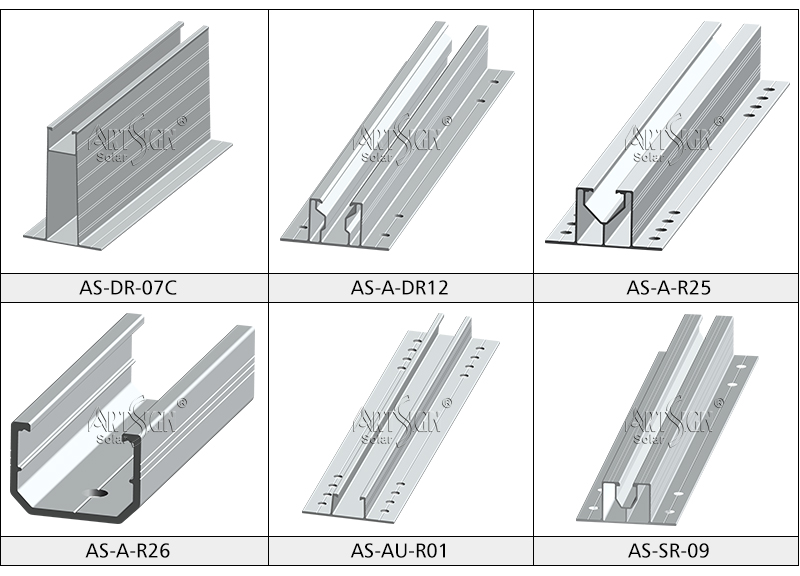
The solar mounting system is mainly divided into: ground solar mounting system, agriculture greenhouse mounting system, solar roof mounting system and solar carport mounting system.


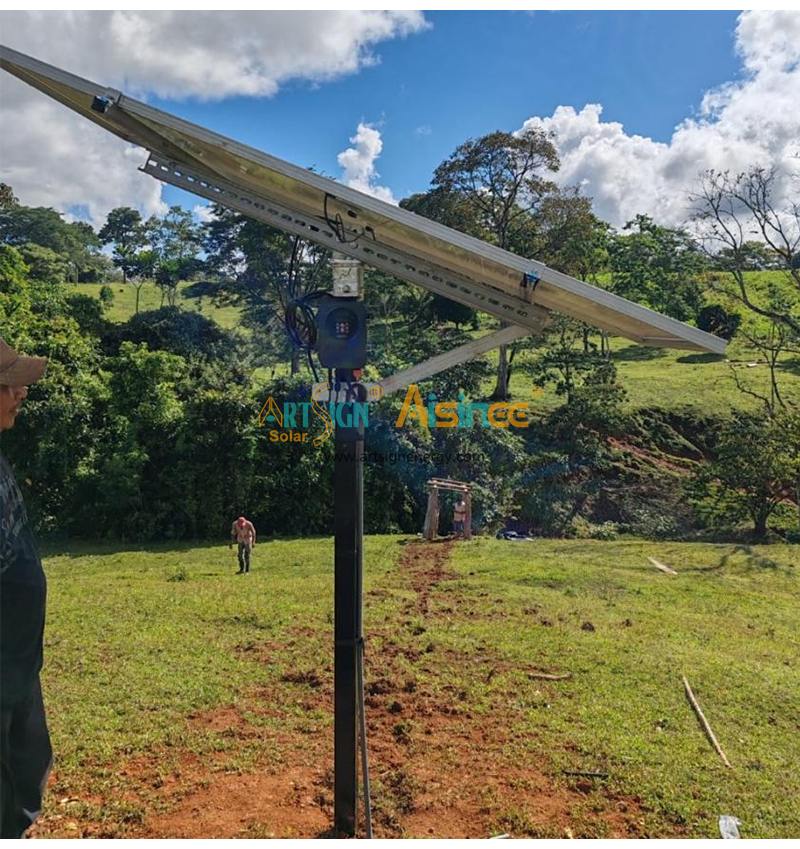
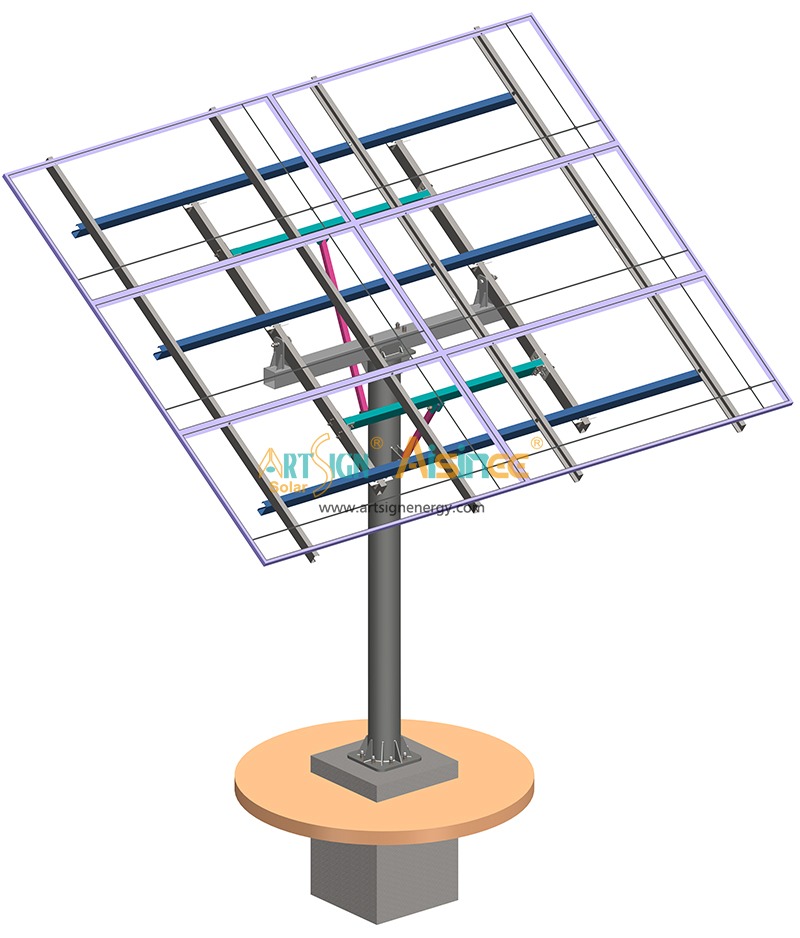
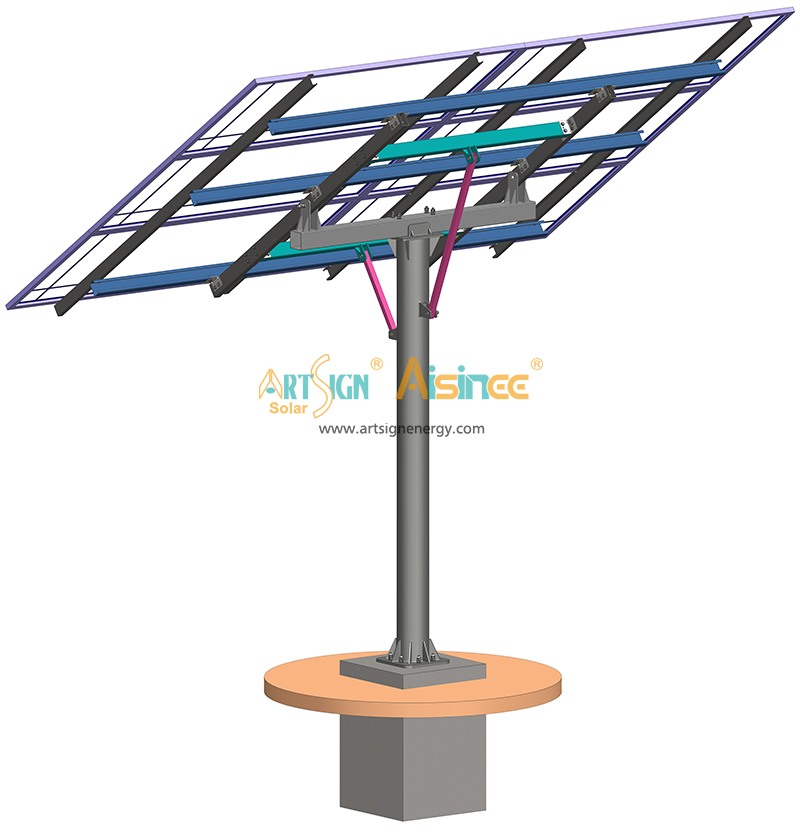
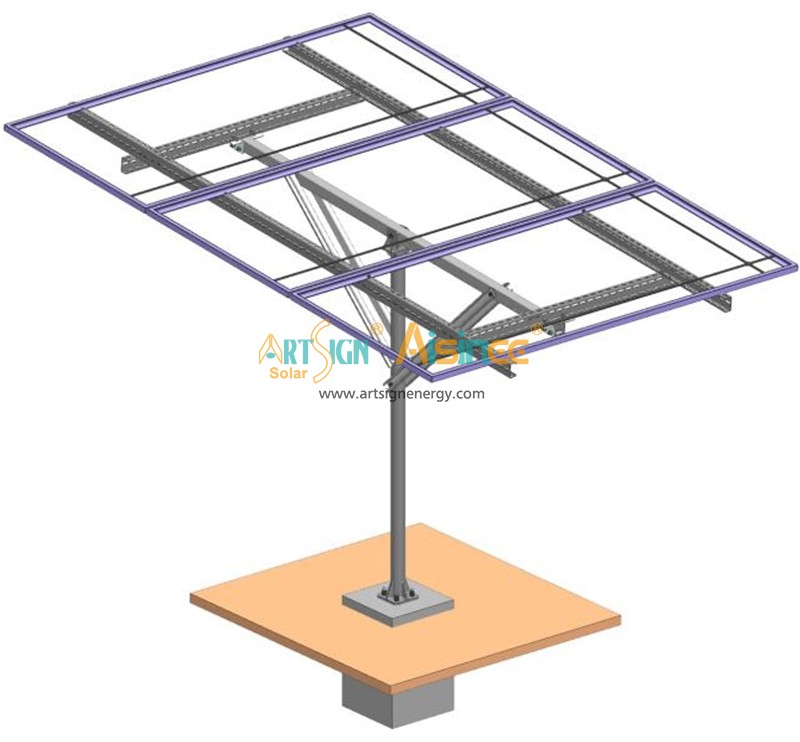
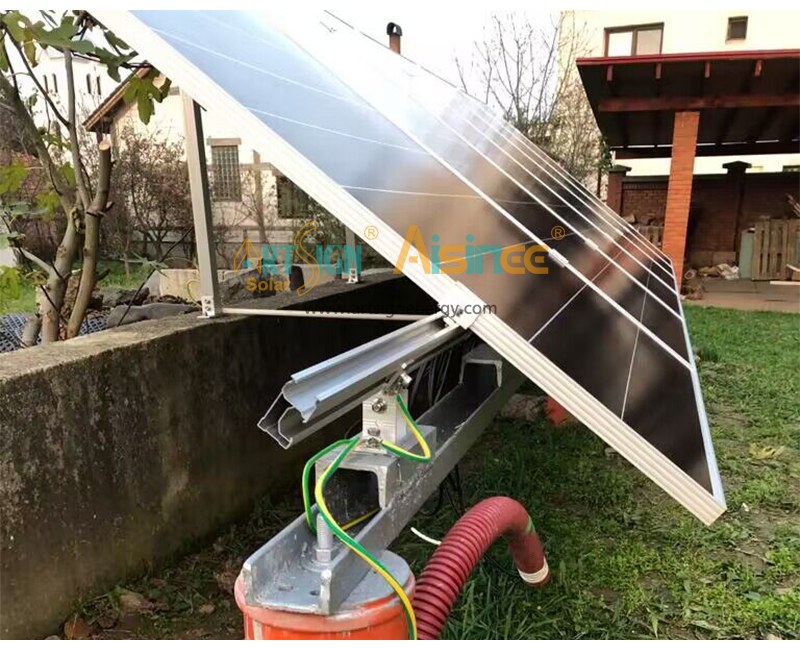
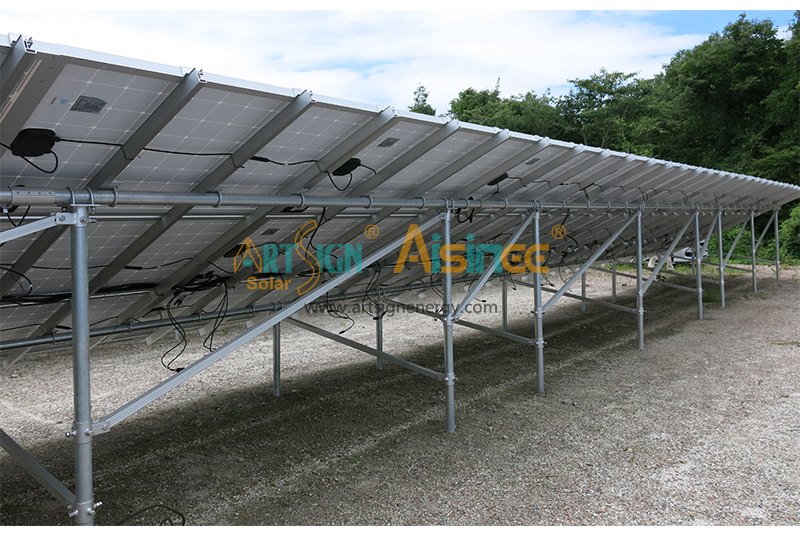
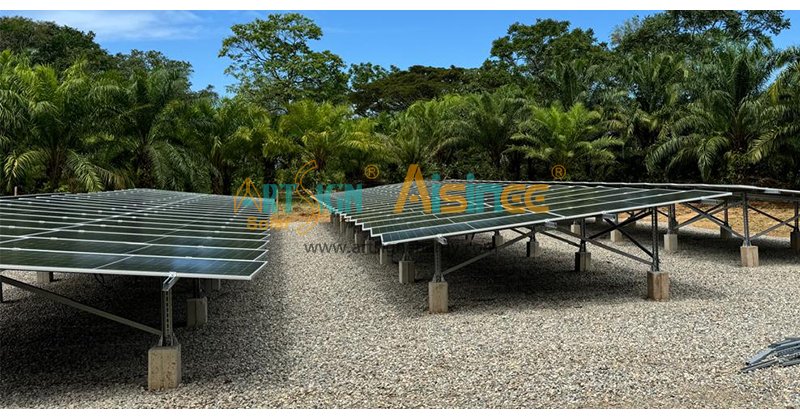
1. If you have a large area with enough open space and good sunlight exposure, we recommend that you choose a ground solar mounting system, which is simple and convenient to mount, saving mounting time.

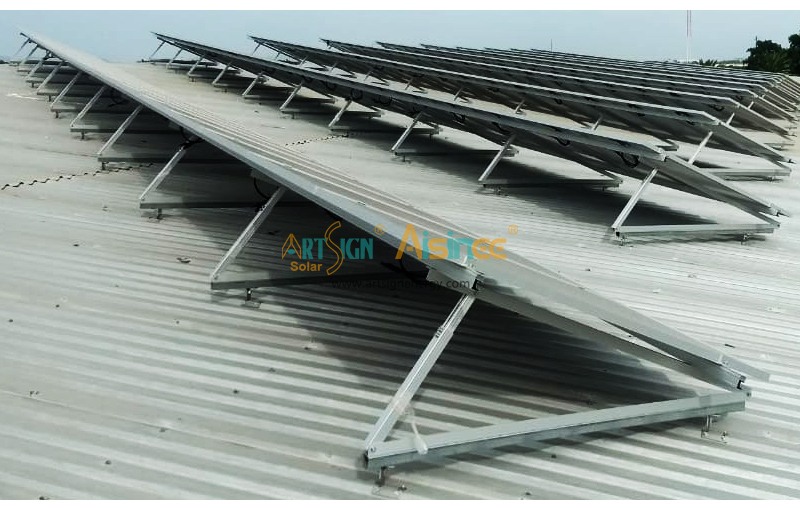
 ground mounted solar panel frames


2.Solar agricultural greenhouse mounting system uses an aluminum or steel frame to cover the solar photovoltaic modules of the greenhouse, while ensuring solar photovoltaic power generation and lighting of the entire greenhouse crops.


 agricultural farmland mounting system price


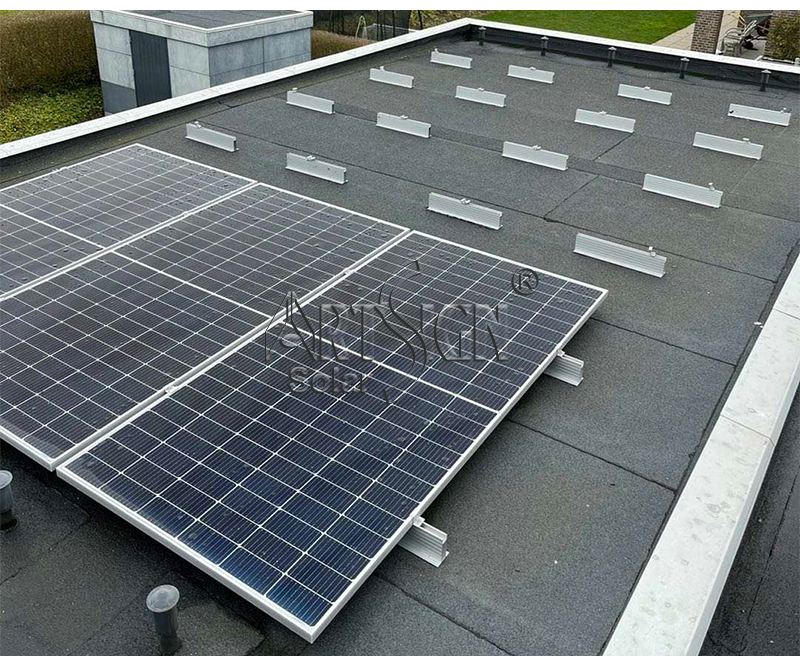
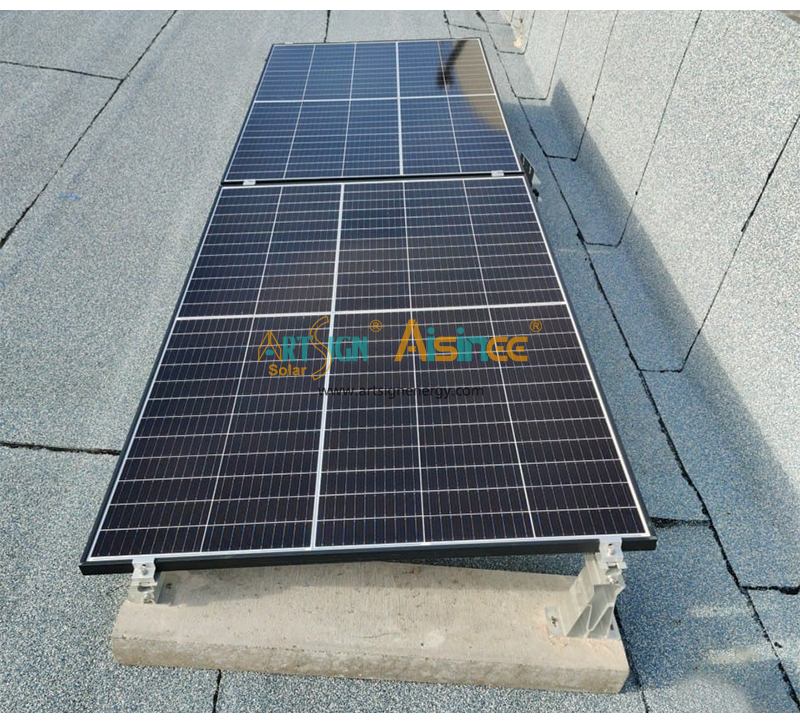
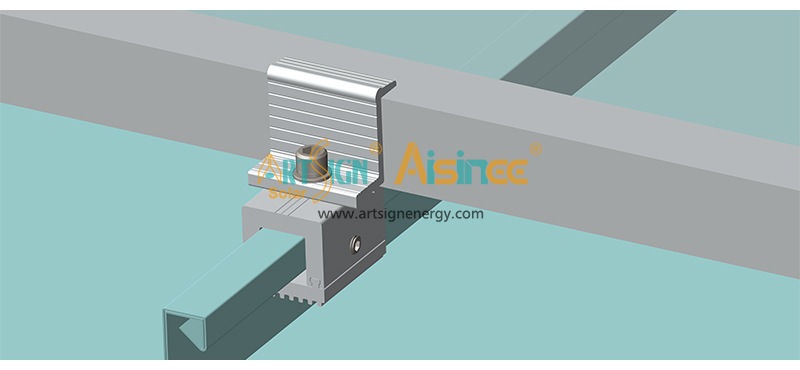
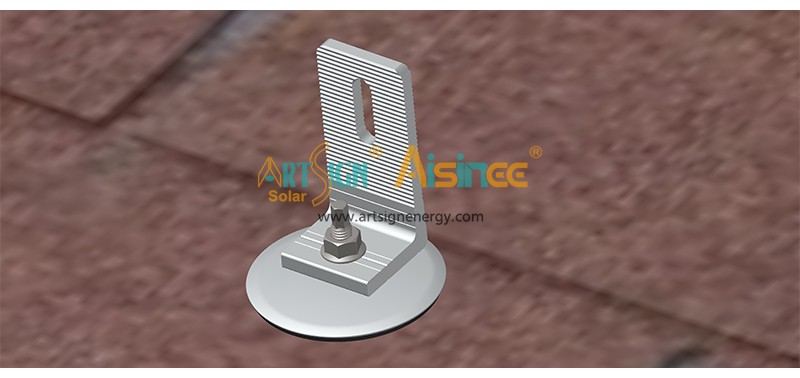
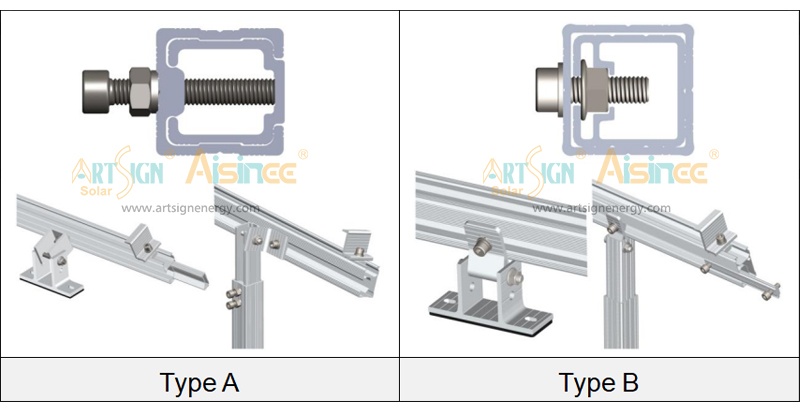
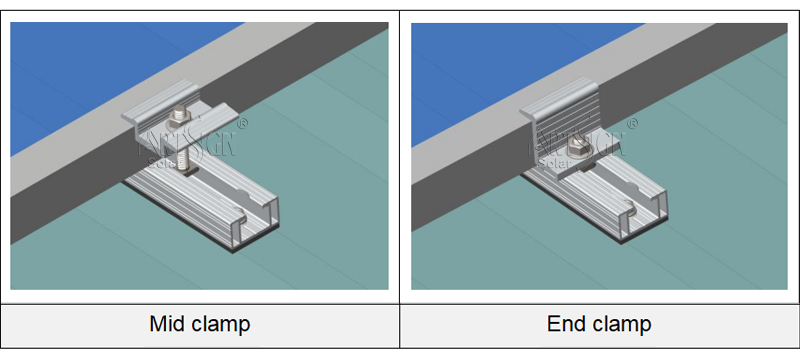
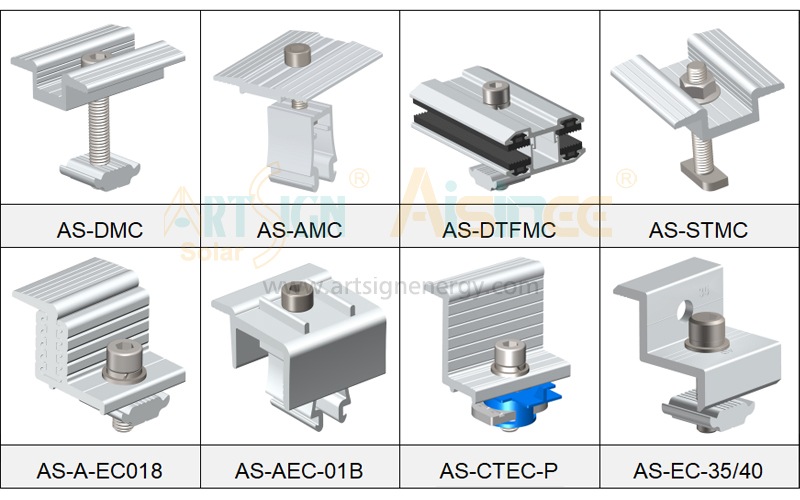
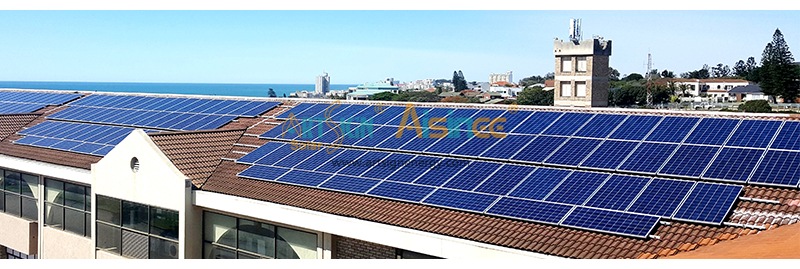
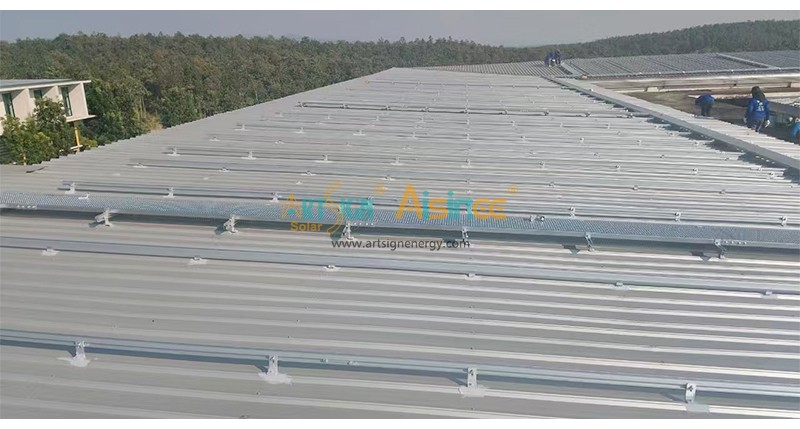
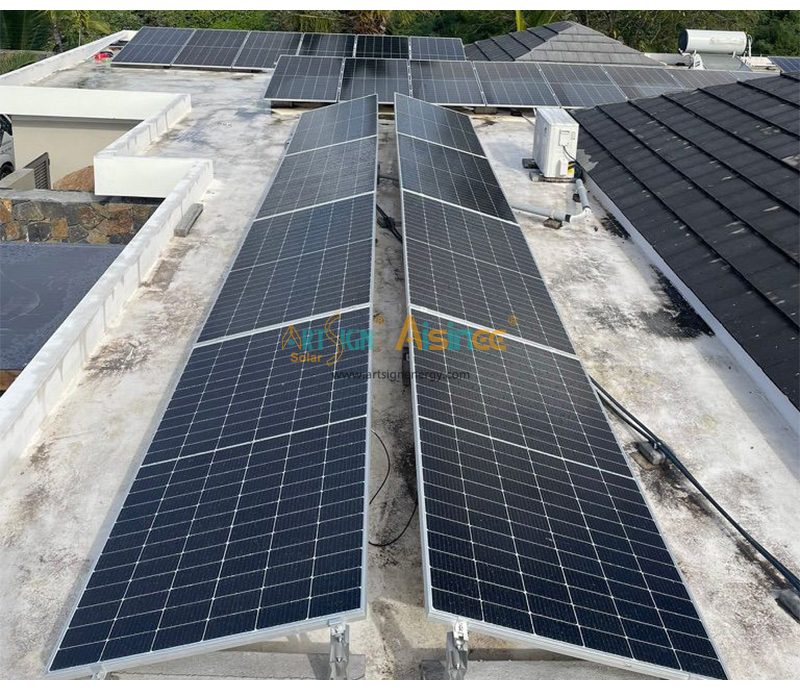
3.The solar roof mounting system is to mount a solar power generation device on the roof, and use solar photovoltaic technology to generate electricity in the field of construction. Roof mounting system is also divided into flat roof and sloped roof, sloped roof mounting system is also divided into corrugated roof solar mounting system and metal roof solar mount racking system.

 roof mounting systems for solar panels


4.Solar photovoltaic carport is a system that combines photovoltaic power generation with carport. The aluminum frame solar carport harnesses the power of the sun to create clean photovoltaic energy to charge, light and feed electric vehicles into the grid.


 aluminum waterproof carport mounting system


According to the introduction of the above pandasolarpv solar mounting systems, do you know how to choose a suitable solar mounting system? If you have any questions, please feel free to contact us.We will have specialized technical staff to solve your doubts.


China Nanjing PEGE Cryogenic deflashing machine was spoken highly of by customer who has an old cryogenic deburring machine before

China Nanjing PEGE Cryogenic deflashing machine was spoken highly of by customer who has an old cryogenic deburring machine before

After half a year's stable and long time running of our Cryogenic Deflashing Machine in customer's factory. Customer speaks highly of our CRYOGENIC DEBURRING machine quality and performance with following points:
1. Higher efficiency and higher productivity, 30% higer than old rubber deflashing machine.
2. Less failures due to reasonable design and better production technology.
3. Great Media blasting and flash separation system to ensure large blasting power as well excellent flash and media separation ability.
4. Stable and wonderful electrical control system with Mistubishi, Schneider top brand components.
5. Improvements on details like door handle, gear box sealing, door sealing, media chamber holder and so on reduce a lot of maintenance and down-time.


Thanks very much for esteemed client's high appreciation, Nanjing PEGE surely works hard and provides best production and service.

China PEGE Cryogenic Deflashing and Cryogenic Deburring Machine Comparative Advantages

The main features of China PEGE cryogenic deflashing and cryogenic deburring machine


1. The whole frame of the cryogenic deflashing equipment is made of high quality 304 stainless steel, the thickness of the steel pipe is 3mm, which is strong, durable and upscale.

2. The projectile wheel can be made of stainless steel, strong and durable.

3. The width of the projectile wheel is increased to 70mm for 120T and 150T, the projectile wheel range is wider, and the projectile efficiency is increased by 20%.

4. Using MCGS high-end touch screen, can store more than 20,000 pieces of product information, storage, reading, downloading, editing, host control and upgrading the scanner and other functions. Improve the tracking and traceability of product processing, adapt to the modern enterprise intelligent, digital management requirements.

5. The Blasting wheel motor of cryogenic deburring machine is selected from the reliable brand FUKUTA, and can also be equipped with Mitsubishi imported motors.

6. The deflector is made of stainless steel, which is free of replacement for life. Our deflashing equipment has no impeller rotor, which can reduce the maintenance cost.

7. The sealing plate of the ejector wheel is made of ultra-high polymer UPE material, the thickness is increased by 1 times, and the wear-resisting performance is increased by 100%.

8. T120,T150 models use 7.5KW high power motor, with 600mm width vibrating screen, processing efficiency and sorting efficiency significantly improved.

9. The gear box sealing system is excellent, in addition to the labyrinth design, our company also adds a layer of sealing plate to protect the oil seal.

10. Bevel gears do not use straight tooth structure, using helical tooth structure, high degree of overlap, large contact area, less wear and tear, increase the service life of bevel gears.

11. The door sealing strip is made of imported material and equipped with double heating wire, which has good heating effect and long service life, and there will be no door leakage.

12. Inverted trapezoidal compact design, nozzle built-in, reduce the overall chamber volume, reduce liquid nitrogen consumption.

13. The parts basket/barrel mouth can be closer to the ejection wheel, the injection effect is enhanced, and the processing efficiency is effectively improved.

14. The nitrogen deflashing machine's electrical cabinet and chamber are separated and independent, the electrical cabinet will not be affected by the cold air and dust from the chamber, which improves the cleanliness and the use of electrical appliances. 

15. The bottom and back of the door opening method adopts a simple and lightweight door suction device, and eliminates the latch locking door, so that there is no need to purchase a replacement life for the latch afterward. 

16. The front door of the nitrogen rubber deflashing equipment is fitted with three high-quality hinges at the top, middle and bottom of the door frame and the reinforcing bars are increased, so that it can avoid deformation of the door after a long time of use effectively. 

After long time use, it can effectively avoid the deformation of the front door. Back, bottom, electrical cabinet door plate thickness is high, heavy and not deformed.

Consumables for cryogenic rubber trimming machine –Liquid nitrogen and Its container

Consumables for cryogenic rubber trimming machine – supply of liquid nitrogen


The frozen rubber deflashing machine, as an essential auxiliary manufacturing machinery in the production process of rubber enterprises, has been indispensable.


However, since its entry into the China mainland market around the year 2000, local rubber enterprises have little knowledge of the working principles and processes of the cryogenic deflashing machines.

Therefore, this article will provide a detailed introduction to the storage and supply methods of the cryogen, liquid nitrogen, for the cryogenic deflashing machines.


In the past, liquid nitrogen was typically stored in separate liquid nitrogen tanks. Therefore, when purchasing a cryogenic deflashing machine, it was necessary to buy a matching liquid nitrogen tank to ensure the proper operation of the machine.

The installation of the liquid nitrogen tank required approval from the relevant authorities, which was a cumbersome process, and the tanks themselves were expensive. This has led many factories that urgently need to use cryogenic deflashing machiness to improve work efficiency to hesitate, as it also involves a certain upfront cost investment.

 cryogenic deflashing machinecryogenic deflashing machine

Nanjing PEGE has introduced a liquid nitrogen manifold supply station to substitute for liquid nitrogen tanks.

This cryogenic deflashing system centralizes the gas supply of individual gas points, enabling multiple low-temperature Dewar flasks to be combined for centralized gas supply. It solves the cumbersome process of handling liquid nitrogen tanks, allowing customers to operate the cryogenic deflashing machines immediately after purchase.   Above are good options for the container of the Liquid Nitrogen.


The main body of the cryogenic deflashing system simultaneously connects three bottles of liquid nitrogen Dewar flasks, and it also includes a port that can be expanded to accommodate four bottles.

The cryogenic deflashing system pressure is adjustable and equipped with a safety valve. It’s easy to assemble and can be mounted on the wall using a triangular bracket or placed on the ground using the bracket.

Nanjing PEGE always provide strong technical support for customer to better use the cryogenic deflashing system.


Why PEGE cryogenic deflashing machines are becoming more and more important?

Why PEGE cryogenic deflashing machines are becoming more and more important?

PEGE cryogenic Deflasing System

The use of cryogenic deflashing machines has revolutionized the way manufacturers produce high-quality products.

Cryogenic deflashing machines use liquid nitrogen to remove excess material from manufactured parts. The process is fast and precise, making it ideal for mass production. In this article, we will explore the advantages of cryogenic deflashing machines and why they replace traditional manual deflashing methods.


First of all, using a cryogenic deflashing machine is environmentally friendly. This makes Operating Room safer, healthier choice for workers and the environment. Secondly, cryogenic deflashers require less maintenance than traditional deflashing methods. This is because high quality spare part enable the machine to operate for a long time and do not require frequent replacement or maintenance.

Thus, these nitrogen deflashing machines save the manufacturer time and business cost.

Thirdly, the cryogenic deburring machines provide higher deflashing precision and accuracy. The process is controlled and consistent, ensuring that each pitch is finished to a high standard. This is useful for products that require smooth edges, such as medical instruments, automotive components, and electronic equipment.

Finally, the cryogenic shotblasting machines are versatile. They are available in a wider range of materials including rubber, injection molding (including elastomeric materials) and zinc magnesium aluminum die casting. This flexibility means they can be used in a variety of industries, making them a valuable investment for many companies.


All in all, the advantages of low temperature deburring machines make them an excellent choice for manufacturers. They are environmentally friendly, require less maintenance, provide greater precision, and are versatile.


The cryogenic deflashing system equipments are becoming more and more popular in the manufacturing industry as technology advances and machine designs improve.

They are likely to continue to be popular as manufacturers seek to produce high-quality products efficiently and cost-effectively.

Wide Applications of Cryogenic Deflashing and Cryogenic Deburring Machine System

Applicable Materials Of Cryogenic Deflashing


cryogenic deflashing applications


● Rubber
The cryogenic deflashing machine can process products made of neoprene, fluoro rubber, EPDM and other rubber materials. The common ones are seal rings / O-rings, auto parts, rubber parts, rubber insoles, silicone products, etc.


● Injection molding (including elastomer materials)
The cryogenic rubber deflashig machine can process products made of PA, PBT and PPS. The common ones are connectors, nanoforming structural parts, medical use injection parts, automotive injection parts, mobile phone cases, mouse cases, injection molding miscellaneous parts, etc.; also products made of TPU and TPE elastic material, such as watch bands, wristbands, soft sleeves, plastic cases, etc.


● Zinc magnesium aluminum die-casting
The cryogenic deflashig machine can process aluminum, zinc, magnesium alloy products. The common ones are auto parts, metal crafts, decoration items, toy parts and etc.

Detailed Guide to Solar Energy Systems The Bright Future of Renewable Energy

What is Solar Energy?

Solar energy is one of the most abundant and promising renewable energy sources on Earth. As global awareness of environmental sustainability continues to rise, solar energy plays an increasingly vital role in the transition toward cleaner energy. It helps reduce reliance on traditional fossil fuels, lowers greenhouse gas emissions, and protects the ecological environment.


As former U.S. President Jimmy Carter once said:

"I would put my money on the sun and solar energy. What a source of power! I hope we don't have to wait until oil and coal run out before we tackle that."


Today, with continuous technological advancement, solar energy systems—ranging from photovoltaic cells to energy storage systems and intelligent energy management—have become more efficient, affordable, and practical. They are now transforming the global energy landscape on a large scale.


Why Is Solar Energy So Important?

Solar energy not only stands as a hallmark of clean energy but also drives innovation in energy systems. Modern Intelligent Energy Storage Systems can seamlessly integrate with solar setups to achieve smart energy management and distribution. These systems utilize data analytics, forecasting, and scheduling technologies to optimize energy usage, making them ideal for residential, commercial, and industrial applications.


Furthermore, the growth of solar technologies has brought new economic opportunities—creating jobs in component manufacturing, system integration, installation, maintenance, and R&D. In particular, advancements in Renewable Energy Storage Systems have enhanced the stability and flexibility of solar energy, laying a solid foundation for global energy transformation.


Types of Solar Energy


Photovoltaic (PV) Solar Energy

PV systems are the most common form of solar energy, converting sunlight directly into electricity using photovoltaic panels. These panels, typically made of silicon, generate direct current (DC) electricity when sunlight excites electrons within the material. An inverter then converts the DC into alternating current (AC) for use in homes, businesses, and beyond.


PV systems are widely used in residential rooftops, commercial buildings, and solar farms. Their popularity has also driven the development of All in One Inverter Energy Storage System Factories, which offer integrated solutions combining inverters and energy storage—simplifying installation and management for users.


Solar Thermal Energy

Solar thermal systems capture the sun’s heat to warm liquids or air, which can then be used for domestic hot water, space heating, or industrial processes. Common types include solar water heaters and solar thermal collectors. These systems contribute to energy savings and enhanced living quality, especially in low-temperature heating scenarios.


Concentrated Solar Power (CSP)

CSP systems use mirrors or lenses to concentrate sunlight to heat a working fluid (such as molten salt or thermal oil), which then produces steam to drive turbines and generate electricity. Thanks to their high efficiency and large-scale capabilities, CSP systems are typically deployed in sun-rich areas like deserts and are a strong option for utility-scale power generation.


Three Main Types of Solar Power Systems


Grid-Tied Solar Power Systems

These systems are connected to the national power grid, allowing users to feed excess electricity back to the grid and benefit from feed-in tariffs. They rely on grid infrastructure for stability, making them ideal for urban environments.


Off-Grid Solar Power Systems

Fully independent from the grid, these systems are suited for remote areas such as villages, islands, and mountainous regions. They usually incorporate Renewable Energy Storage Systems to ensure power availability during nights or cloudy days.


Hybrid Solar Power Systems

Combining the strengths of both grid-tied and off-grid setups, hybrid systems allow users to use solar energy during the day and draw electricity from the grid when storage is low. With the integration of Intelligent Energy Storage Systems, these setups can intelligently manage energy sources, improving system autonomy and adaptability.


Solar technology is advancing at an unprecedented pace. From basic PV generation to sophisticated energy storage integration and the development of smart energy networks, solar energy is reshaping the way we produce and use electricity. Whether for individual households or large-scale commercial and industrial applications, solar provides clean, efficient, and economical energy solutions.


At the same time, the rise of the All in One Inverter Energy Storage System Factory signifies a trend toward greater intelligence and modularity in the solar industry, offering users accessible, reliable, and comprehensive solar energy solutions.


In the future, solar energy will not only serve as a power generation method but also become a driving force in the era of intelligent energy.

Industrial Mobile Power Solutions for Modern Outdoor Needs

In various complex environments such as industrial sites, outdoor engineering, field exploration, and emergency rescue, "convenient, efficient, and reliable" mobile power solutions have become indispensable support systems. With the continuous rise of modern industrial operations’ demands for both efficiency and environmental protection, traditional fuel-powered generators are increasingly limited in terms of convenience, noise control, and carbon emissions. The new generation of industrial-grade portable power stations, centered on lithium batteries, is gradually replacing traditional solutions and becoming the industry's new favorite.


Functions and Advantages of Portable Industrial Power


Industrial mobile power units are rechargeable, multifunctional, and high-efficiency power devices featuring multiple output interfaces. They mainly use lithium iron phosphate or ternary lithium batteries, balancing safety and energy density. These units not only solve the pain point of "no power available" but also adapt to the diverse needs of modern outdoor and mobile office work.


For example, a 1200W Outdoor Power Station supports various output interfaces such as AC, DC, and USB, allowing it to simultaneously provide continuous and stable power for laptops, drones, portable projectors, small electric tools, and other equipment. This makes it ideal for outdoor engineering inspections, emergency repairs, temporary meetings, and other short- to medium-duration tasks.


2400W Outdoor Power Station and Higher Power Solutions for Complex Scenarios


As outdoor work durations lengthen and power demands increase, many users prefer 2400W Outdoor Power Station and above power ratings. These products can support simultaneous operation of high-power electric tools, portable air conditioners, induction cookers, outdoor light towers, refrigerators, and other equipment, fitting applications such as:


Driving large-scale tools in engineering construction


Temporary power supply systems for large exhibitions or outdoor markets


High-energy-consuming equipment in emergency command or mobile medical vehicles


Comprehensive living power supply for outdoor camping bases


Larger-capacity portable power stations typically come equipped with intelligent BMS (Battery Management System) that monitors temperature, voltage, current, and other statuses in real-time, effectively preventing overcharge, over-discharge, short circuits, and other faults to ensure safe operation.


Choosing Quality Suppliers to Enhance Project Stability


When selecting mobile power products, it is even more important to choose a reliable Rechargeable Industrial Portable Power Station Supplier. High-quality suppliers not only provide products with rigorous certifications (CE, FCC, ROHS, UN38.3, MSDS, etc.) but also offer:


Customization Services (OEM/ODM): Tailored capacity, voltage range, interface types, enclosure materials, and more according to project needs.


Technical Support and After-Sales Service: Professional engineers assist with product selection and application, providing prompt after-sales maintenance.


Bulk Supply Capability: Ensures delivery schedules and consistency for large-scale projects.


Widespread Application Scenarios


Today, portable industrial power is widely applied across multiple industries and scenarios, including but not limited to:


Construction sites: Temporary lighting and power for electric tools, especially in areas without grid electricity.


Outdoor media: Power supply for news reporting, aerial photography, and live broadcasting equipment.


Scientific research: Environmental monitoring in uninhabited areas, field expeditions, polar science stations.


Emergency rescue: On-site lighting, communication systems, and medical equipment during sudden incidents.


Transportation: Around-the-clock power support for mobile command and inspection vehicles.


Remote highland areas: Power for outdoor camps and short-term stays, reducing dependence on fuel supply chains.


Future Outlook and Trends


With advances in lithium battery technology and continuous reductions in energy storage costs, the adoption threshold for portable industrial power is rapidly decreasing. In the future, portable power stations featuring wireless charging, IoT remote management, and solar adaptive systems will become mainstream, helping users achieve more efficient, safer, and smarter energy usage.


They will not only replace “temporary power sources” but also become a stable and scalable integral part of modern industrial systems.


Powering Your Home with Sunshine How to Choose the Right Solar System

As the world actively transitions to renewable energy, solar power has become one of the most popular and accessible clean energy options. For more and more homeowners, solar energy not only reduces electricity bills but also lowers carbon footprints and provides greater energy independence. However, with so many system types, components, and financing options available, making the right decision can be overwhelming.


This comprehensive guide will help you understand the key factors to consider so you can choose the solar system that best matches your household’s energy needs and budget.


1. Understand Your Energy Consumption

Before installing a solar system, the first step is to clearly understand your household's electricity usage.


Review electricity bills from the past 12 months to analyze monthly and annual average usage (in kilowatt-hours, kWh).


Pay attention to seasonal fluctuations, especially in areas with extreme weather.


Include high-consumption appliances such as electric vehicles and water heaters in your assessment.


Knowing your usage habits is essential for accurately sizing your solar system and calculating your return on investment.


2. Evaluate Your Home’s Solar Potential

Not every home is equally suited for solar. Sun exposure and roof condition play critical roles:


Roof orientation and tilt: In the Northern Hemisphere, south-facing roofs with a tilt of 15°–40° offer optimal performance.


Obstructions: Trees, chimneys, or nearby buildings can create shading—use professional tools to assess this.


Roof structure: Consider the age, material, and load capacity. Ground-mount systems or solar carports may be better for some homes.


3. Choose the Right System Size

Based on your electricity usage and site conditions, a qualified installer will recommend a system size:


System size is measured in kilowatts (kW) and should ideally match your total annual usage.


If net metering is available in your region, excess electricity can be sold back to the grid—making larger systems more viable.


Keep in mind that larger systems come with higher upfront costs, so balance your budget with long-term ROI.


4. Use High-Quality Components

A solar system is a long-term investment. Durable, efficient components are essential:


Solar panels:


Monocrystalline panels are more efficient and aesthetically pleasing, great for small roof areas.


Polycrystalline panels offer better value for budget-conscious homeowners.


Pay attention to conversion efficiency, 25-year linear power warranties, and brand reputation.


Inverters:


Convert DC electricity from panels into AC electricity for household use.


Choose string inverters for shade-free roofs, or microinverters/power optimizers for complex layouts.


Check for efficiency (over 95%) and warranty coverage.


Mounting systems:


Use corrosion-resistant, structurally secure materials.


Ensure the system can withstand wind, snow loads, or other environmental challenges.


Roof compatibility is essential for safe installation.


5. Consider Adding a Solar Energy Storage System

With advances in battery technology, a Solar Energy Storage System is becoming an attractive option for greater energy independence:


Stores excess solar power during the day for use at night or during outages.


Especially useful in regions without net metering or for off-grid systems.


Look for battery features like cycle life, depth of discharge (DoD), safety certifications, and brand credibility.


Though it increases upfront cost, storage is a crucial component of modern Energy Storage System Solutions, offering backup power and energy autonomy.


6. Compare Offers Carefully

Don't settle for the first quote. Get multiple offers from reputable installers or Energy Storage System Manufacturers:


Compare system size, component brands, inverter types.


Assess installation timelines and after-sales support.


Review warranty terms for both products and workmanship.


Ask for simulated energy production reports and layout visualizations.


7. Learn About Financing and Incentives

While solar requires upfront investment, several financial tools and policy incentives make it more affordable:


Cash purchase: Maximizes long-term savings with no debt.


Solar loans or green financing: Spread payments over time with low interest.


Leasing/PPA: Zero upfront cost, but lower long-term returns and no system ownership.


Take advantage of tax credits, cash rebates, or renewable energy grants available at local or national levels to reduce your payback period.


8. Choose a Reliable Installer

A reputable installer ensures system performance and long-term support:


Verify licenses, insurance, and technical certifications.


Review past projects, customer reviews, and system design capabilities.


Ask about product and installation warranties.


Check if they partner with leading Energy Storage System Manufacturers to provide comprehensive Energy Storage System Solutions.


A good provider will also offer real-time monitoring tools to help you track system performance.


9. Plan for Maintenance and Monitoring

Solar systems require minimal daily attention, but basic upkeep can enhance lifespan and efficiency:


Regularly clean panel surfaces to prevent dust buildup.


Use remote monitoring to track power output.


Schedule annual professional inspections for wiring, voltage levels, battery condition, and structural stability.


These practices ensure your Solar Energy Storage System runs reliably for decades to come.


Choosing solar power isn’t just a financial decision—it’s a step toward sustainability, resilience, and energy independence. By understanding your energy needs, selecting the right system size and components, integrating battery storage, and working with qualified professionals, you can build a clean energy system that pays for itself and benefits the planet.


If you’re looking for expert Energy Storage System Solutions or trusted Energy Storage System Manufacturers, we’re here to support you with end-to-end services and high-quality solar systems tailored to your home.

The Evolution of Portable Energy Storage From Camping Gear to Emergency Power Core

As the global energy structure shifts and outdoor lifestyles become more popular, portable energy storage devices have evolved from simple camping accessories to critical tools in emergency response and disaster relief. This article explores the technological evolution and diverse applications of portable energy storage solutions.


1. The Beginning: From Traditional Power Sources to Portable Storage

In the early days, outdoor activities and field operations mainly relied on fuel generators or lead-acid batteries. While functional, they had major drawbacks:


Noisy and polluting

Bulky and inconvenient to transport

High operational cost and complex maintenance


In the 2000s, the rise of lithium battery technology—especially lithium iron phosphate (LiFePO₄)—brought breakthroughs in safety, miniaturization, and efficiency for portable storage devices.


2. A Turning Point: Lithium Battery Technology Redefines Portability

Modern portable power stations now widely use high-performance lithium batteries with higher energy density, longer lifespan, and lighter weight. For example, LiFePO₄ batteries can offer up to 3,500–5,000 charge cycles, far beyond traditional options.


These batteries are now commonly used in:

Home backup power systems

Outdoor mobile power stations

Emergency energy backup in disaster scenarios


The rising popularity of search terms like “portable power stations” and “lithium iron phosphate battery for solar” indicates growing market demand.


3. Smart Inverters and Multi-Device Compatibility

Another major leap is the integration of inverters and smart management systems. Today’s portable power stations support a wide range of outputs:


AC 110V/220V pure sine wave

USB-A/USB-C fast charging

Multiple DC ports

Wireless charging and car output


Hybrid inverters allow AC/DC conversion, solar integration, and smart energy management, enabling users to power smartphones, laptops, drones, projectors—even medical equipment. They’ve become true “outdoor power hubs.”


4. Solar Integration: The New Standard

The combination of portable storage and solar panels has become standard in camping, remote work, scientific exploration, and more. Lightweight, foldable panels (e.g., solar panel for portable power station) can charge on the go, offering a green and silent power source.


In areas without access to the grid, this combination forms a reliable, self-sustaining energy system—similar to a 6kW Off-grid Energy Storage System, often used in off-grid zones or emergency power backup setups.


5. Expanding Use Cases: From Leisure to Emergency Response

Portable energy storage is no longer just for outdoor use:


Outdoor Leisure & Mobile Office

Ideal for RV trips, camping festivals, live streaming, drone photography, and more. Paired with a modular setup from a Stackable Lithium-ion Energy Storage Battery Manufacturer, continuous multi-device operation becomes effortless.


Home Backup & Weather Emergencies

Reliable backup during blackouts caused by thunderstorms or typhoons—keeping routers, fridges, kettles, and more running.


Disaster Relief & Public Welfare

Vital in post-disaster zones for lighting, communication, and field medical operations. Many NGOs and emergency responders now deploy units like the All in One Battery Energy Storage System 10kW as standard supplies.


6. The Future: Smarter, Greener, More Modular

Portable storage devices are evolving rapidly in several key directions:


Smarter

App remote control, Bluetooth connection, and real-time monitoring give users full visibility over battery status, output power, and system health.


Greener

They can be integrated with home solar systems, forming a closed loop from generation to consumption.


Modular

With swappable battery packs and parallel device support, users can scale up or maintain easily. Some systems now work seamlessly with energy storage batteries for solar panels, unlocking higher capacity storage options.


7. A New Way to Power Our Lives

From a simple camping tool to a crucial power hub in emergencies, portable storage is reshaping how we consume and manage electricity. It enhances comfort in outdoor life and provides a vital safety net in cities and rural areas alike.


As a global specialist in energy storage solutions, ENECELL continues to innovate, offering safer, smarter, and more efficient portable energy products that deliver dependable power whenever and wherever it’s needed.